Description
Rectangular 3-Divided Plate – Organized Presentations for Operational Efficiency
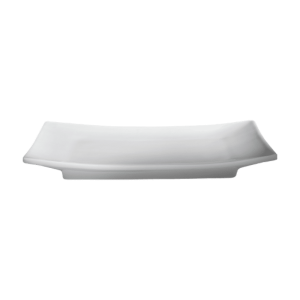
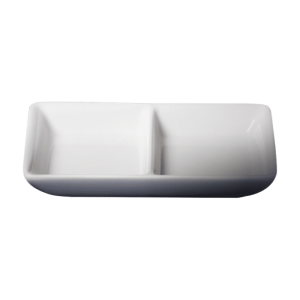
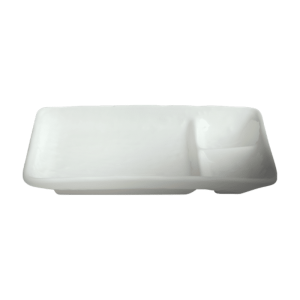
The Rectangular 3-Divided Plate from Cameo China’s Square collection represents a sophisticated approach to organized culinary presentations with three distinct equal compartments in a generous 9-1/2 in x 6 in rectangular profile. This versatile plate addresses both practical operational needs and creative presentation opportunities, with the tripartite division enabling more complex presentations than simple two-compartment formats where main components, sides, and accompaniments each occupy dedicated space. Crafted from premium vitrified china with an alumina body and brilliant white glaze that enhances ingredient colors while resisting staining, the three compartments are precisely formed with smooth transitions that facilitate easy cleaning while creating clear visual separation between food components. The modern geometric design with clean lines provides a professional canvas that supports portion control, component separation, dietary accommodations, and creative presentation concepts where visual organization enhances guest experience and operational efficiency.
Traditional Applications
This three-compartment plate excels in organized service environments where visual clarity and portion control are paramount. Traditional entrée service benefits from the format where proteins, starches, and vegetables are separated for balanced meal presentations that prevent flavor mixing while creating clean presentations appealing to guests who prefer organized plates, with the divided format also facilitating kitchen efficiency by enabling clear portioning guidelines that ensure consistency across service periods. Children’s menu presentations discover exceptional utility in the component separation that accommodates young diners’ preferences for foods that don’t touch, with chicken tenders, french fries, and fruit organized in separate compartments creating appealing presentations while the generous size provides adequate portions and the three compartments support balanced nutrition. Dietary and allergy accommodation service gains practical solutions through strict component separation that prevents cross-contamination and provides visual assurance to guests with dietary concerns, supporting special diet presentations where macro-nutrient separation is desired with proteins, carbohydrates, and vegetables clearly organized. Institutional foodservice operations including healthcare facilities, educational institutions, and corporate cafeterias benefit from the portion-controlled presentations that address nutritional guidelines while creating organized plates that appeal to diverse populations, with the format facilitating efficient plating in high-volume environments where speed and consistency are paramount and the clear compartment separation enables quick visual verification that portions meet established standards.
Creative Applications
Contemporary culinary professionals are discovering innovative applications that leverage the three-compartment organization for engaging dining experiences. Fine dining tasting presentations create educational experiences when three distinct preparations of the same ingredient are presented side by side for comparison—three cuts of beef prepared differently, three seasonal vegetables with varied techniques, or three sauce variations paired with a single protein—with the equal compartments ensuring balanced presentations while the divided format creates clear visual organization. International cuisine presentations naturally align with the three-compartment format, with Indian cuisine organizing curry, rice, and naan or accompaniments, Japanese bento-style presentations gaining modern interpretation with proteins, rice, and vegetables or pickles in separate compartments, and Mexican concepts separating proteins, beans, and rice in distinct sections that honor traditional serving concepts while providing contemporary presentation. Build-your-own interactive dining concepts benefit from the organized format where taco presentations separate proteins, toppings, and accompaniments for guest customization, breakfast presentations organize eggs, breakfast meats, and toast or potatoes for personalized combinations, and salad presentations separate greens, proteins, and toppings allowing guests to control their own compositions. Sampler and variety presentations transform simple offerings into organized tasting experiences with three slider varieties, three soup samples as a tasting flight, or three dessert preparations creating petit four presentations that create value perception and encourage exploration, while sauce and condiment presentations enable sophisticated flavor exploration when a single protein is accompanied by three distinct sauces or condiment presentations for shared appetizers organize three dipping options with the divided format preventing mixing while creating organized presentations that enhance both visual appeal and functional utility.