Description
Rectangular 2-Divided Plate – Balanced Presentations Through Thoughtful Pairing
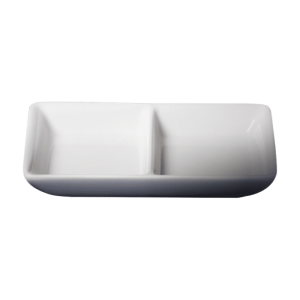
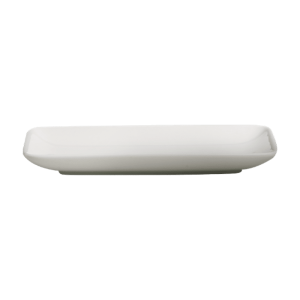
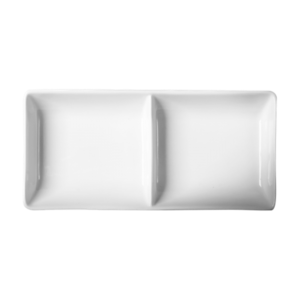
The Rectangular 2-Divided Plate from Cameo China’s Square collection represents an elegant approach to dual-component presentations with two equal compartments in a compact 8-1/2 in x 5-1/2 in rectangular profile. This versatile plate features a central divider that creates balanced visual symmetry while enabling practical component separation, with the equal division creating natural visual balance that invites comparison, contrast, and complementary relationships between paired elements. Crafted from premium vitrified china with an alumina body and brilliant white glaze that enhances ingredient colors while resisting staining, the central divider is precisely formed with smooth transitions that facilitate easy cleaning while establishing clear visual balance between components. The modern geometric design with clean lines provides a sophisticated canvas that supports portion control, component separation, sauce containment, and creative presentation concepts where the relationship between two elements becomes the focal point of the dining experience.
Traditional Applications
This two-compartment plate excels in organized service environments where visual clarity and practical separation enhance both operational efficiency and guest satisfaction. Traditional entrée service benefits from the format where proteins and sides are separated for balanced presentations—grilled salmon with seasonal vegetables, burgers with fries, or any protein-and-side combination—with the divided format preventing flavor mixing while creating clean presentations that appeal to guests who prefer organized plates and facilitating kitchen efficiency through clear portioning guidelines. Appetizer presentations gain functionality when spring rolls, dumplings, or fritters occupy one compartment while dipping sauces are contained in the other, creating organized presentations that prevent sauce spillage and maintain component integrity with the equal compartments ensuring balanced visual weight. Breakfast and brunch service becomes more efficient with dual-compartment organization where eggs and bacon are separated from toast or hash browns, pancakes are paired with fruit, or omelets are presented alongside breakfast potatoes, creating organized presentations that facilitate efficient plating during busy morning rushes. Dessert presentations gain sophistication through paired presentations where a slice of cake is presented with sauce or ice cream in the adjacent compartment, creating organized presentations that prevent sauce migration, or dual dessert samplers enable guests to experience two complementary preparations with the divided format creating clear distinction while maintaining visual cohesion.
Creative Applications
Contemporary culinary professionals are discovering innovative applications that leverage the two-compartment organization for engaging dining experiences that celebrate thoughtful pairing. Comparative tasting presentations create educational experiences when two preparations of the same ingredient are presented side by side for comparison—the same cut of meat prepared with different techniques, the same vegetable prepared hot and cold, or the same protein paired with two distinct sauces—with the equal compartments ensuring balanced presentations while the divided format creates clear visual organization that invites comparison and enhances appreciation for culinary techniques. Deconstructed dish concepts transform passive dining into interactive experiences where components that traditionally combine are separated for guest customization—pasta and sauce, protein and accompaniment, or dessert and topping—with the divided format creating visual intrigue while the equal compartments provide balanced proportions. Contrasting flavor profile presentations gain visual clarity when sweet and savory combinations occupy separate compartments—foie gras and fruit compote, cheese and honey, or chocolate and sea salt caramel—with the divided format preventing premature mixing while creating presentations that invite guests to experience components individually before combining them. Temperature contrast presentations leverage compartment separation to present hot and cold components side by side without thermal transfer—warm chocolate cake with ice cream, chilled gazpacho with warm croutons, or hot entrées with cold salads—maintaining temperature integrity while creating visual interest. Sauce pairing presentations enable sophisticated flavor exploration when a single protein is presented with two distinct sauces in separate compartments or two proteins are each paired with their own sauce, elevating simple sauce service into curated flavor exploration, while build-your-own interactive concepts benefit from the organization where taco presentations separate proteins from toppings, salad presentations organize greens and proteins for guest assembly, or breakfast presentations separate eggs from accompaniments for personalized combinations.