Description
Rectangular 3-Divided Plate (2 Small) – Hierarchical Presentations Through Asymmetrical Design
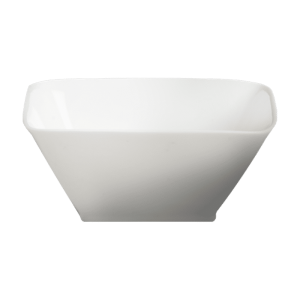
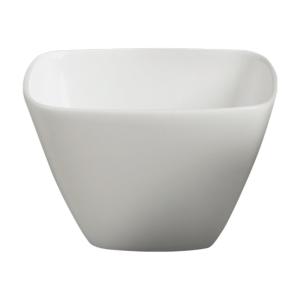
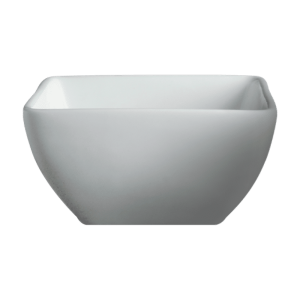
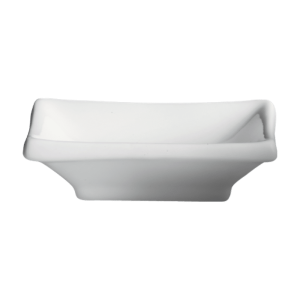
The Rectangular 3-Divided Plate (2 Small) from Cameo China’s Square collection represents a sophisticated approach to asymmetrical presentations with one large compartment and two smaller compartments in a compact 8 in x 5 in rectangular profile. This versatile plate features an innovative division pattern that creates visual hierarchy while enabling practical component organization, with the asymmetrical compartment format creating natural visual hierarchy where the large compartment establishes dominance while the two smaller compartments provide supporting roles. Crafted from premium vitrified china with an alumina body and brilliant white glaze that enhances ingredient colors while resisting staining, the compartment dividers are precisely formed with smooth transitions that facilitate easy cleaning while establishing clear visual hierarchy between main components and accompaniments. The modern geometric design with clean lines provides a professional canvas that supports portion control, component separation, and creative presentation concepts where spatial relationships communicate culinary intent through thoughtful compositional arrangement.
Traditional Applications
This asymmetrical three-compartment plate excels in organized service environments where visual hierarchy enhances both operational efficiency and guest understanding of meal composition. Traditional entrée service benefits from the format where proteins occupy the large compartment while two distinct sides are separated in the smaller sections—grilled chicken with rice and vegetables, steak with potatoes and asparagus, or any protein-with-dual-sides combination—with the asymmetrical format preventing flavor mixing while creating clear visual hierarchy that establishes the protein as the focal point and sides as complements, facilitating kitchen efficiency through clear spatial organization. Protein and dual sauce presentations gain sophistication when a single protein occupies the large compartment while two distinct sauces are contained in the smaller sections, enabling guests to explore flavor combinations—seared steak with béarnaise and peppercorn sauce, grilled fish with lemon butter and herb oil—with the asymmetrical format creating visual interest while preventing sauce mixing. Breakfast and brunch service becomes more efficient with hierarchical compartment organization where eggs occupy the large compartment while bacon and toast are separated in the smaller sections, or pancakes are presented in the main space with butter and syrup organized in the supporting compartments, creating organized presentations that facilitate efficient plating during busy morning rushes. Dessert presentations gain sophistication through hierarchical presentations where a slice of cake or tart occupies the large compartment while whipped cream and fruit compote are organized in the smaller sections, creating balanced presentations that prevent component mixing while establishing the dessert as the focal point with accompaniments as supporting elements.
Creative Applications
Contemporary culinary professionals are discovering innovative applications that leverage the asymmetrical compartment organization for engaging dining experiences that celebrate hierarchical relationships. Tasting presentations with context create educational experiences when a primary preparation occupies the large compartment while two variations or accompaniments are presented in the smaller sections for comparison—a main protein preparation featured in the large space with two different garnishes or sauces in the smaller compartments providing context and contrast—with the asymmetrical division establishing clear hierarchy that guides tasting sequences and enhances appreciation for culinary relationships. Deconstructed dish concepts transform passive dining into interactive experiences where the main component occupies the large compartment while supporting elements are organized in the smaller sections—deconstructed tacos with protein in the large space and salsa and guacamole in the smaller compartments, or deconstructed desserts with the primary element in the main section and sauce and garnish in the supporting spaces—with the compartment hierarchy providing visual guidance for assembly. International cuisine presentations naturally align with the asymmetrical format where cuisines feature a main dish with multiple accompaniments—Indian curry in the large compartment with rice and chutney in the smaller sections, Japanese teriyaki in the main space with pickled vegetables and wasabi in the supporting compartments, or Korean proteins in the large section with kimchi and banchan in the smaller spaces—honoring traditional serving concepts while providing contemporary presentation. Sampler presentations with hierarchy enable creative concepts where one preparation is featured while two variations provide comparison—three slider varieties with the featured slider in the large compartment and two alternatives in the smaller sections creating clear hierarchy, or soup samplers with a signature preparation in the main space and two complementary options in the supporting compartments—transforming simple variety offerings into curated tasting experiences. Condiment and accompaniment service gains practical solutions when a main dish occupies the large compartment while two distinct condiments are organized in the smaller sections—mustard and pickles, wasabi and pickled ginger, or any dual condiment pairing—creating organized presentations that prevent condiment mixing while establishing the main dish as the focal point, while build-your-own concepts with guidance benefit from hierarchical compartment organization where the main component occupies the large compartment and two topping or customization options are presented in the smaller sections, providing visual guidance for assembly and encouraging guest engagement.