Description
Rectangular Platter, Round Corner – Geometric Clarity Meets Organic Softness
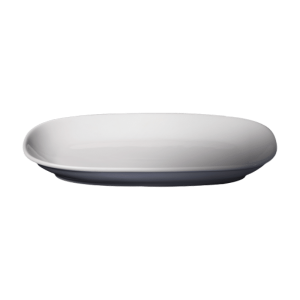
The Rectangular Platter, Round Corner from Cameo China’s Square collection represents a thoughtful evolution of geometric design where modern rectangular proportions meet softened edges for approachable elegance in a versatile 9 in x 5-1/2 in format. This versatile platter features rounded corners that create gentle visual flow while maintaining the clean lines and generous surface area of rectangular geometry, with the softened corners reducing visual severity while enhancing durability through reduced chip vulnerability at corner points. Crafted from premium vitrified china with an alumina body and brilliant white glaze that enhances ingredient colors while resisting staining, the rounded corners are precisely formed to create smooth transitions that enhance both visual appeal and structural integrity. The combination of rectangular proportions and softened corners creates versatile presentation platforms that feel both modern and approachable, supporting diverse plating concepts from casual small plates to refined appetizer presentations where geometric efficiency meets organic flow.
Traditional Applications
This rounded corner platter excels in diverse service environments where approachable elegance enhances both presentation quality and guest engagement. Traditional appetizer presentations benefit from the format where the 9 in x 5-1/2 in proportions provide ideal dimensions for individual or shared small plates—bruschetta and crostini, spring rolls and dumplings, or any appetizer preparation—with the rounded corners creating approachable framing while the rectangular surface area accommodates diverse preparations and thoughtful component arrangement. Sushi and sashimi service discovers elegant platforms where sushi rolls can be arranged linearly along the rectangular length while the rounded corners soften the geometric precision, creating presentations that honor traditional concepts while providing contemporary visual appeal, with the white glaze providing neutral contrast that enhances fish colors and the generous surface area enabling thoughtful arrangement. Charcuterie and cheese presentations gain sophistication through the rounded corner format where individual presentations arrange cured meats, cheeses, and accompaniments across the rectangular surface while the softened corners create approachable framing, supporting organized component placement while maintaining visual flow through gentle edge transitions. Dessert service benefits from the approachable elegance of rounded corners where individual desserts can be plated with accompaniments arranged thoughtfully across the rectangular surface, with the softened edges creating gentle framing that enhances rather than dominates sweet preparations while the white glaze provides neutral contrast that allows dessert colors and textures to command attention.
Creative Applications
Contemporary culinary professionals are discovering innovative applications that leverage the rounded corner format for engaging presentations that balance geometric clarity with organic softness. Deconstructed presentations enable modern concepts where components that traditionally combine are arranged separately across the rectangular surface, with the rounded corners creating visual flow that guides guests through intended assembly sequences—the softened edges reduce visual barriers, encouraging guest interaction with components while maintaining organized presentation—transforming passive dining into interactive experiences where spatial relationships communicate culinary intent. Linear plating concepts leverage the rectangular format where components are arranged along the length of the platter, creating visual narratives that guide the eye from one end to the other, with the rounded corners providing gentle entry and exit points for these visual journeys that soften what might otherwise feel like abrupt boundaries, enabling chefs to create progressive tasting experiences where flavors build from mild to intense or contrasting presentations where opposing elements occupy opposite ends. Sauce painting and artistic plating discover ideal canvases in the rectangular surface where chefs create artistic presentations through strategic sauce placement, with the white glaze serving as a neutral background while the rounded corners provide natural boundaries that feel organic rather than rigid, enabling chefs to create swooshes, dots, or abstract patterns with sauces while positioning solid components to complement sauce artistry. Shared small plates benefit from the rounded corner format in contemporary dining concepts where multiple guests can access presentations from different angles, with the softened corners creating approachable access points that encourage communal engagement while the rectangular format provides efficient table space utilization and the rounded corners reduce visual footprint. Tasting menu presentations leverage the format for courses requiring modest portions with thoughtful presentation where each course can be plated with primary components and accompaniments arranged across the rectangular surface, with the softened corners creating gentle framing that focuses attention without creating visual barriers, while breakfast and brunch service discovers versatile platforms where individual presentations arrange toast, eggs, and accompaniments across the rectangular surface with softened corners creating approachable framing that suits casual morning dining, gaining sophistication through thoughtful component arrangement while maintaining the relaxed feel appropriate to leisurely morning meals.