
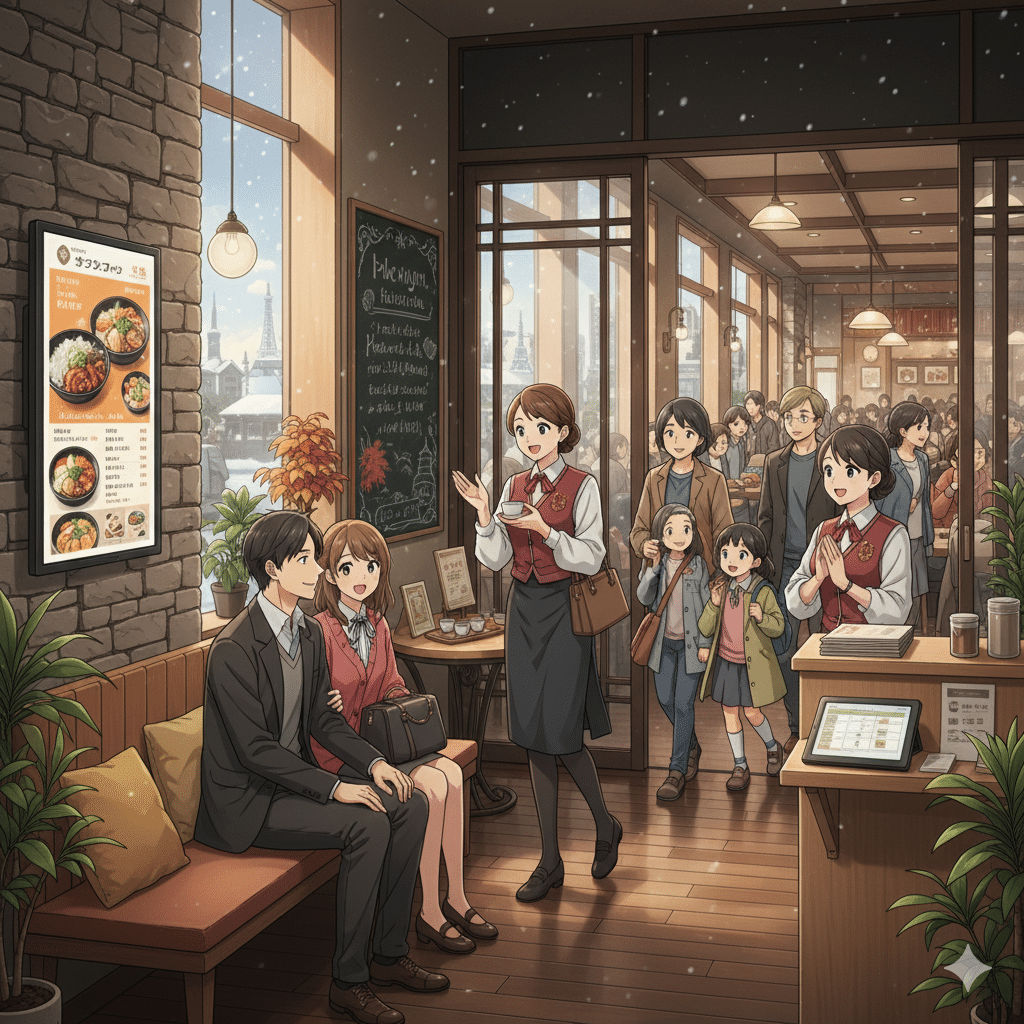
Smart restaurant owners know that guest loyalty begins long before the first plate reaches the table. The waiting area is your silent brand ambassador — and when designed intentionally, it transforms idle time into a revenue-building experience.
The Psychology of Waiting: Why It Matters
Every restaurant, regardless of size or style, shares one critical touchpoint — the waiting area. Whether it’s a formal lobby or a small space near the host stand, this zone shapes how guests perceive your service, your team, and even the quality of your food.
In hospitality, time is emotion. When guests wait comfortably, they anticipate the meal ahead. When they wait in discomfort, every minute feels like a warning sign. The smartest restaurateurs treat the waiting area not as dead space, but as an active part of the guest journey — one that builds connection, trust, and future visits.
Research shows that people are far more patient when they feel acknowledged and informed. In restaurants, that means guests can tolerate longer waits — even 20 or 30 minutes — if they experience clear communication, physical comfort, and positive distractions.
On the other hand, uncertainty and neglect are toxic to first impressions. A guest who stands awkwardly in a noisy hallway, unsure of when their table will be ready, may lose enthusiasm before they even sit down. The takeaway: Perception outweighs duration. Managing how waiting feels is more important than reducing the actual wait time.
Design for Comfort — and Confidence
Comfort isn’t a luxury; it’s an investment in guest satisfaction. Start by considering all five senses:
- Sight: Warm, even lighting instantly calms guests. Avoid overly bright bulbs or harsh color temperatures.
- Sound: Curated music or ambient noise can mask kitchen sounds and balance energy. Soft jazz, acoustic, or instrumental playlists work well.
- Smell: Avoid overpowering fragrances — subtle natural scents or the faint aroma of baked goods create positive associations.
- Touch: Quality seating matters. Even simple benches with cushions make a difference in perceived comfort.
- Space: Don’t overcrowd. Guests should feel privacy, not proximity.
If your space is small, creativity wins: add wall-mounted ledges for drinks, use mirrors to open the visual field, and define the area with plants or partitions that maintain flow.
Remember, people judge how they’ll be treated by how you treat them while they wait.
Optimize Traffic Flow and Functionality
Many waiting areas fail because they weren’t planned — they simply “happened.” A good layout should make life easier for both guests and staff:
- Separate check-in from traffic. The host stand should be near the entrance but not block movement.
- Provide a clear path to the dining room. Avoid forcing guests to squeeze between tables or through service lanes.
- Think about group dynamics. Families, couples, and solo diners each behave differently when waiting. Provide flexible seating — benches that can fit two or four, stools for individuals, or a standing counter for quick turnover.
- Consider accessibility. Ensure pathways and seating comply with ADA or local accessibility standards.
When the physical layout supports calm flow, your staff performs better — and your guests feel the order and professionalism from the first minute.
Use Design to Tell Your Story
Your waiting area is a powerful storytelling tool. Guests are highly perceptive — they pick up visual cues within seconds. Use that awareness to express your restaurant’s essence:
- For fine dining: lean toward elegant minimalism, curated art, and a controlled palette.
- For casual or family concepts: emphasize warmth — wood textures, open shelving, or locally inspired décor.
- For global cuisines: integrate cultural patterns, photography, or textural materials that preview the dining theme.
Even something as simple as framed press features, photos of your chef team, or community partnerships can signal authenticity and credibility. It’s not about decoration — it’s about identity.
Turn Waiting into Engagement
Idle guests equal wasted opportunity. Modern diners enjoy interaction — and your waiting area can be a low-cost marketing engine if done right.
- Digital Menu Displays: Let guests preview dishes or cocktails. It builds anticipation and speeds up ordering.
- QR Codes with Purpose: Link to loyalty programs, chef bios, or behind-the-scenes videos. Guests love “insider” access.
- Signature Beverage Samples: Offering a small tasting (mocktail, sparkling water, or seasonal tea) can set the tone for hospitality.
- Photo Moments: A subtle photo backdrop or unique design element can inspire organic social media shares — free marketing.
The key is authenticity. Engagement should feel natural, not forced. You’re creating curiosity, not commercials.
Empower Your Team: Human Warmth Wins Every Time
No matter how beautiful the space, the human element defines the experience. Train your front-of-house team to think like ambassadors, not just hosts.
- Acknowledge every arrival immediately. Even if the host is busy, a simple eye contact or “I’ll be right with you” prevents frustration.
- Set accurate expectations. Always give realistic wait times and update guests proactively. Overpromising hurts trust.
- Offer empathy, not excuses. “We’re setting your table now — thank you for your patience!” goes much further than “We’re short-staffed tonight.”
- Empower staff to problem-solve. Give them discretion to offer small gestures (a complimentary drink or appetizer) when waits run long.
When guests feel genuinely cared for, they remember it — and they tell others. Hospitality spreads through human connection.
Maintain Cleanliness and Order — Always
Guests notice everything. A cluttered host stand, scuffed walls, or dusty décor sends silent signals that undermine confidence.
Establish a cleaning checklist for your waiting area:
- Sweep and sanitize hourly during service.
- Check seating cushions and replace worn fabrics regularly.
- Disinfect door handles, menus, and digital tablets.
- Keep clutter (mail, pens, notes) hidden from view.
Consistency here doesn’t just prevent complaints — it reinforces a message: If the lobby looks this cared for, the kitchen must be immaculate.
Manage the Emotion of Time
Great managers know that guests experience time differently depending on environment. A 15-minute wait in a lively, well-designed space can feel like 5 minutes. The same wait in a cramped or chaotic area can feel endless.
Try these subtle psychological techniques:
- Visible Progress: If guests can see staff preparing tables, it reassures them. Transparency reduces anxiety.
- Small Milestones: Offer a drink list after five minutes, or share updates at ten minutes.
- Engagement Distraction: Provide visuals — menu boards, art pieces, or gentle music. When attention is engaged, time flies.
Mastering perception of time is one of the most underrated tools in hospitality management.
Track, Test, and Continuously Improve
Top-performing restaurants don’t “set and forget” their design — they measure it. Encourage staff to observe guest patterns:
- Where do people naturally gather or avoid?
- Are guests leaving after hearing wait times?
- How often do they check in for updates?
Use that data to adjust layout, lighting, and communication. Even small tweaks — like moving a bench or repositioning signage — can improve flow and satisfaction dramatically.
Extend the Experience Beyond the Wait
Finally, think beyond the moment. What happens after the wait can strengthen or weaken your brand impression.
- Memorable transitions: When calling a party, use their name warmly and guide them confidently to their table.
- Subtle continuity: Keep lighting and décor style consistent from the lobby to the dining area for a seamless flow.
- Post-visit memory: Encourage feedback or send digital thank-you messages if guests signed up for your list.
The goal is continuity — from entry to exit, every moment feels part of one unified, welcoming experience.
Final Thoughts
Your waiting area is far more than a holding zone — it’s your restaurant’s first and most influential marketing channel. When designed with intention, it creates emotional connection, builds trust, and turns casual visitors into repeat guests.
In an industry where margins are tight and competition fierce, every inch of space should work for you. Transforming the waiting area into a place of comfort, curiosity, and hospitality isn’t just good design — it’s smart business.
Published on: November 2025