Published: March 2019
Targeting Each Generation in Your Marketing Strategy
As a business owner, you know just how hard it can be to attract new customers towards your products or services. At times, it seems like a process of throwing things out into the world and just hoping that some of it sticks. Of the advertising that does stick, there is further hoping that they become long-term customers. In truth, many of the businesses nowadays are stuck in a limbo where they really don’t know what to do.
Why? Essentially, this is because we are at a time where each generation needs to be targeted in a different way. In fact, a recent study went a long way to explain the current market and it made for interesting reading. For millennials, it will be of no surprise that technology use was high in the order of unique features and the same was true for Generation X. For baby boomers though, their work ethic and respectfulness stood out. Finally, we saw the silent generation where WWII and depression topped the list followed by being honest and smart.
With all of this in mind, we are going to assess what we call ‘generation marketing’ today. Just as the term suggests, this is an approach that more and more businesses are taking these days and it requires segmentation within a single marketing strategy. With each generation receiving the strategies they respond to best, the theory suggests that good results will follow. Without further ado, let’s break the generations down!
Baby Boomers
Definition
Born between the years of 1946 and 1964, this is the group who grew up with the American Dream period that existed after WWII. At this time, there was very little technology so they have been taught by younger generations as it has become more important. In a 2014 report, around 65% of those aged between 50 and 64 use social media. This being said, they use it to keep friendships alive rather than getting their news.
When Facebook ads clog up their feed, this group is likely to completely misconstrue their intentions but direct marketing and sales seems to be a good technique. In the market currently, baby boomers have the biggest value and they respond best when they can talk to real people. On each trip, they tend to spend more money than any other group and they are also the most likely to move away from the shopping list. According to one report, they even spend more on technology but this could be a lack of understanding or unwillingness to change cable or phone supplier.
Expert Tips
Brand Loyalty – Firstly, brand loyalty is huge for this generation so this is something you should be looking to target often. Recently, we heard an example of one man who bought years worth of deodorant because he found out that the formula was changing. Although he didn’t want to leave the brand he had trusted for so long, he wanted his deodorant to stay the same so spent thousands of dollars. If you offer the right quality and treat your customers in the right way, they will stay with you for some time to come. Therefore, this should be the aim for your marketing.
Cash Back – Nowadays, the boomers tend to spend more money per shop which means they appreciate somewhere they can earn cash back. Depending on your product or service, this may not be possible but we highly advise doing some research if you can make it work. Perhaps the most common example, nearly half of all baby boomers have credit cards. Since they can generate some fantastic rewards, they appreciate companies that help them on this journey so make sure they know you offer this help!
Up-Selling – As we know, baby boomers are more likely to deviate from their shopping list so focus on up-selling within your marketing. As well as wine and entertainment, boomers also purchase the most prescription medications so they need to know how a service will add value to their lives. Remember, they may already have loyalty to a certain brand so you need to show how you can make their lives easier. What can you offer them that they can’t find elsewhere? Once you have this answer, you are in a stronger position to secure their custom.
Tradition – If you think back to the tactics used when boomers were younger, you will have a better understanding of what they need now. There is no doubt about it, marketing can be intrusive nowadays and boomers have no time for this at all. Therefore, phoning at a time where they could be eating dinner or relaxing after a long hard day is not acceptable for them. Instead, they would prefer to come across your service at their own leisure in a newspaper or on the TV. Since they only really use social media to keep up with friends, advertising here would be more than a waste of time.
In terms of blog posts and articles, we can also reveal that the word limit boomers tend to stop at is…300. Additionally, we should also mention that smartphones are a no-go area because they are being taught by the younger generations. This being said, you still need to make your checkout process as easy as possible so you don’t lose potential sales from tech-savvy boomers!
Discounts – Currently, boomers are on the borderline of retirement so some will be just before whilst others have been enjoying no work for a couple of years. In the US, the over 50 age group spends over $3 trillion per year and has five times this amount in assets. Not only is this huge, it is larger than the GDP in some large countries including the UK, Russia, France, and Italy.
Of all consumer purchases, around half are made by over-50s yet an average of only 10% of marketing budgets focus on this crowd. Sadly, businesses are still missing out so pay attention to the tips we have provided above. When it comes to discounts, we whole-heartedly suggest that you remove them for this market. Although it might seem strange, the days are gone for boomers where they buy cheap wine or settle for a discounted product. As they near retirement, it is their time to enjoy life and the fine wines on offer.
Generation X
Definition
As the smallest generation, Generation X (Gen X) started in 1965 and lasted for around fifteen years before ending in 1980. Essentially, they are the bridge between the boomers and the millennials hence why the period is shorter. Currently, they have got to the stage where they won’t reach their desired career if they don’t do it now. For the most part, they have settled into homeownership but the juggling act comes from childcare and the peak of their career. For example, it could be a 40-year old who is looking after little kids after experiencing the 80s high school life. Unfortunately, they just missed the rise of technology and their chances of having money in retirement, in their eyes, is slim.
Every day, people in this generation are running themselves ragged dealing with bills, children, and work. However, they managed to catch the increase in social media in their 30s and perhaps 40s which is their last chance to stay young and hip. Since they experienced this rise a little older, research actually suggests that they have adopted technology better than millennials. With shopping lists, they are dedicated and rarely stray but they do happen to make the odd unplanned purchase. For marketing purposes, they are the hybrid group that know how to buy online but also like the personal experience of physical shopping.
Expert Tips
Ethical Trading – Currently, the ‘do-good’ brands are seeing tremendous progress and this is more true for the Gen X buyers than any other market. If you are organic with your products or you offer a service ethically, ensure that the whole world knows and you will see the results. Although they are focusing on their bills, they are also focusing on creating a better world for their children so stand up and be counted if your company is helping a cause. For example, Toms don’t necessarily have the most attractive shoes on the market but they do have a slogan that says ‘one for one’; this alone boosted their sales within this market.
Coupons – When the recession struck in 2008, those in Gen X were just starting to see results in their career so they have now lost trust in Social Security for their retirement. With children, they are thinking about a million and one things from college, reaching the peak of their career, and saving money for retirement. With this, they absolutely love coupons and you can take advantage of this fact.
For the millennials, you may have left email marketing a few years ago but it is still a fantastic technique to reach those in Gen X. Whilst looking for news on their career and hearing from family members, Outlook is always open so utilize a natural and effective email marketing campaign. If you do it in the right way, you can advertise coupons and allow them into your business.
Vacation – As we said earlier, Gen X really is the hybrid generation and this is summed up with our first two points; they are looking to save money with coupons whilst still paying more for ethical businesses. Therefore, you perhaps won’t be surprised to hear they are more than happy to take breaks in between the stresses of earning for retirement, college, and working on their career. Immediately, you might say ‘my service or product has nothing to do with taking a vacation’ but there is still some way to work around this. As an example, you could talk about how useful your product or service is while they are away from home. If you can win their favor when planning a family holiday, you might just keep their custom for many years.
Be Helpful – Since Gen X has adapted to social media so well, we now know exactly how to target this audience and we are continually learning more over time. In recent years, we have learned that they accept help wherever possible so you need to aim to be of service. If we look at Toys R Us, they don’t waste the information they receive. Instead, they send gift or purchase ideas for new moms depending on the age of their baby. Over time, they come to rely on these emails and the company builds brand loyalty for helping them through. Once again, we aren’t saying that you need to offer baby toys but you can make their lives that little bit easier.
Direct Mail – Before you laugh and click away in record time, around 85% of Gen X looks at their mail on a daily basis and around seven in every ten has used coupons they received via ‘snail mail’. As they are in the middle ground, a good percentage will still get their bills and bank statements through the post so they will see your direct mail. Whether you want to offer a meal deal or coupons for a hair cut, don’t knock direct mail until you try it!
Millennials
Definition
As we start to get comfortable with 2017, we move closer to the millennial dominance. As of right now, the millennial workforce is outnumbering the baby boomers and this is huge news for all those marketing. If you were unaware, this is a nearly two decade period from the beginning of the 1980s to the new millennium. As a generation brought up around technology, many of them are unaware of anything different. In terms of working, they started around the time of the global economic crisis so money is an important factor but they are more aware of social issues than any other generation. According to one report, over six in every ten would rather earn less money in a job they enjoy rather then a well-paying job with no satisfaction.
For the economy, millennials are huge and pay out around $200 billion every single year. This being said, they are leaving physical stores empty and prefer to do most of their buying online. Furthermore, they are responsive to the recommendations of friends and family members whilst also motivated by the ease of shopping and being efficient. In all, this group is completely reshaping the way in which many industries run as they start to dominate the working population. If they want to eat, they are quite happy to look at recommendations on Facebook and Instagram.
Tips
Reviews – Compared to baby boomers, there is very little response to the traditional marketing techniques because we have already discovered the fact that millennials grew up around technology. If they need a service, they will look on Google and get recommendations from friends based on their experiences. In a recent survey, seven in ten people said they never make big decisions before discussing it with those they trust. Therefore, we cannot stress enough the importance of online reviews.
When you have an online presence and this is backed up by fantastic reviews online, you immediately gain credibility and you show as the best option. If their friends and family aren’t available, the next best alternative is to trust previous buyers. On Amazon, for example, people very rarely buy a product that has three stars or less.
Innovation – More than anything else, millennials love trends and coming across the next ‘big thing’. With restaurants, it could be a particular style or service that gains the attention. As another example, the Mac saw the biggest increase in sales in their history after Steve Jobs redesigned the standard ‘computer’ and stepped outside of the box for the first time. When you think about it, examples are seen nearly every day whether it is people queueing for the next iPhone or complaining when Instagram ‘copied’ the premise of Snapchat. If you can innovate and focus on this innovation when marketing, you will see results.
Loyalty Programs – For millennials, there is one food outlet that ticks nearly every box; Chipotle. Not only do they buy ethically-farmed ingredients, they offer dishes for those with allergies, and they provide opportunities for customization. If they avoided the e.Coli scandal, the introduction of their new loyalty scheme would have seen them dominate the market and this we are sure. In a recent survey, we saw that nearly 80% of millennials enjoy participating in loyalty schemes. Considering the millennials are going to be your customers for the next 40 years or more, now is a great time to introduce yourselves and market your own rewards scheme.
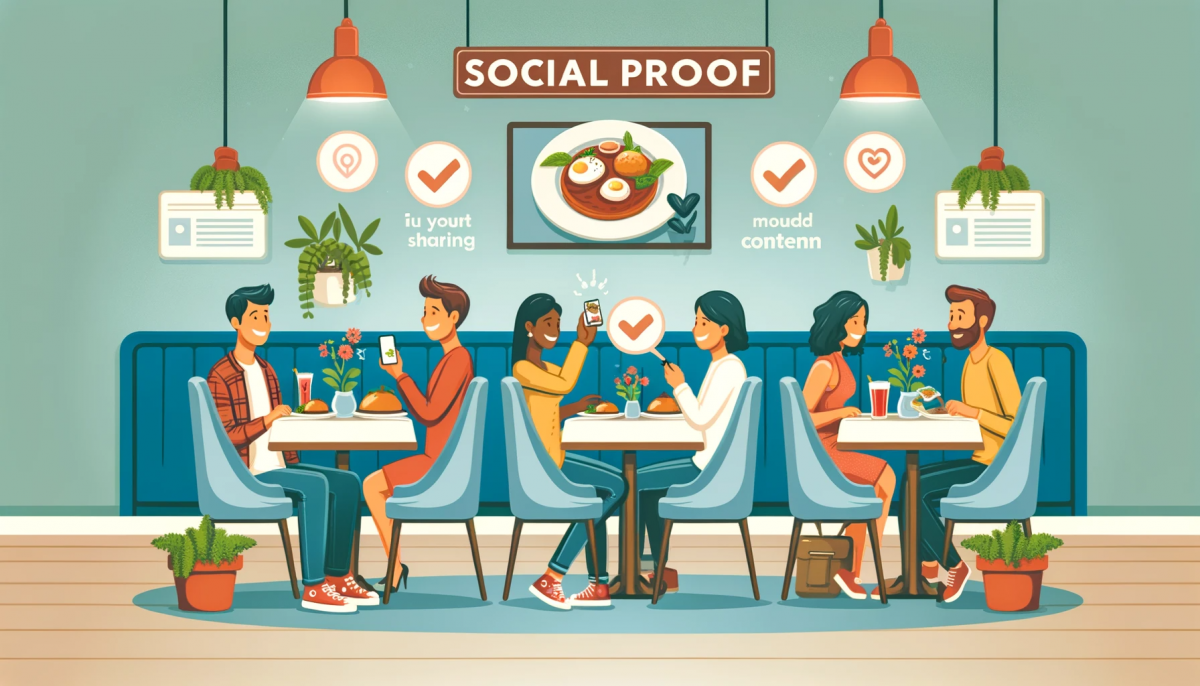
Social Media – Although this goes without saying, social media is huge business for millennials and they spend a significant amount of their time on various platforms. Therefore, it makes sense that you have a presence on these same sites because this will give you the best chance of reaching out to them on a regular basis. On the likes of Twitter and Facebook, there are so many opportunities to build a brand including clever advertising, being funny, having customers ‘check-in’ when visiting, and more. With the latter, this is important because of what we said about only trusting friends and family members. If someone sees their friend check-in to a restaurant, this restaurant gets credibility and, in all likelihood, new customers.
Radio Ads – At first, this suggestion might sound crazy because it falls into the category of ‘traditional’ marketing. However, a recent study showed that well over 90% of millennials listen to the radio for an average of 11 hours each week. For the most part, this is in the car on journeys or maybe even in the office but this is still an opportunity that you could try. Surprisingly, millennials listen to the radio more than baby boomers and those in Gen X so this opportunity shouldn’t be sniffed at immediately. In addition to the radio, some companies are also seeing the results after paying for a spot on podcasts so this could also work as long as you choose a well-followed podcast in your niche.
Summary
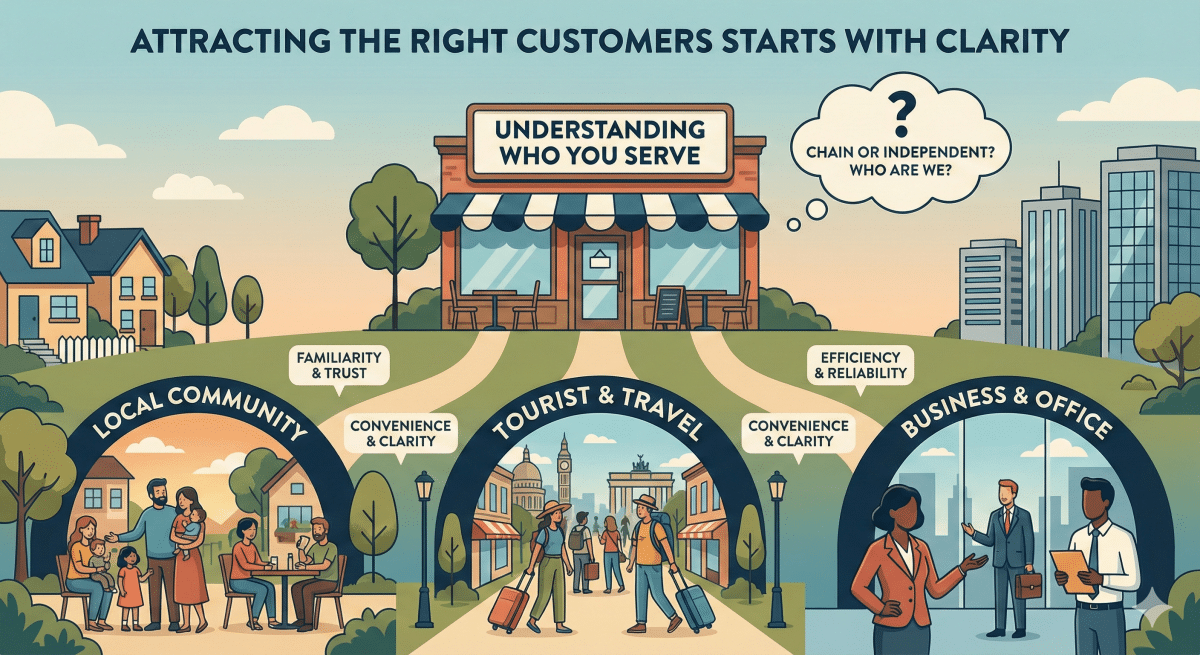
Now more than ever before, we have segmentation within the market but you can find success armed with this knowledge. If your customer base is primarily millennials, you can target social media and new technology whilst baby boomer customers will see you use traditional outlets instead. If you gauge your market correctly, you can see success in the coming years!






















































































5. Use Social Media
Social media is a powerful tool for staying connected with your audience. Here are some ways to use it effectively:- Share updates about your restaurant, including new menu items and special offers.
- Post mouthwatering photos of your dishes to engage followers.
- Host live streams, introduce your team, and use trending hashtags to increase visibility.
Building a strong social media presence helps keep your restaurant top of mind for customers.