

Published: June 2025
Tag: #HospitalityBusiness
The Economic Squeeze: Creative Menu Engineering for Profitability?

Published: May 2025
Introduction: The Dual Challenge of Modern Hospitality
In today”s US economic climate, the hospitality industry faces a formidable dual challenge: on one hand, operational costs, from ingredients to labor, are steadily rising. On the other, consumers are increasingly price-sensitive, scrutinizing every dollar spent dining out. Navigating this tightrope requires more than just culinary skill; it demands sharp business acumen. This is where strategic menu engineering, with a keen eye on details like chinaware selection and utilization, becomes a critical lever for maintaining, and even boosting, profitability. A well-engineered menu isn’t just a list of dishes; it’s a powerful sales tool, a cost-control mechanism, and a reflection of your brand’s value proposition.
Step 1: Deep Dive into Your Current Menu & Food Costs
Before you can re-engineer your menu for success, you need a clear understanding of its current performance. This involves a thorough analysis of both sales data and food costs.
- Identifying Winners and Losers: Which menu items are your stars (high popularity, high profitability)? Which are your plowhorses (high popularity, low profitability), puzzles (low popularity, high profitability), or dogs (low popularity, low profitability)? This classic menu engineering matrix provides a crucial starting point.
- Tracking Ingredient Price Volatility: The current US economy has seen significant fluctuations in ingredient prices. Are you closely tracking these changes? Which ingredients are most susceptible to price swings, and how do these impact the cost of your most popular dishes? This granular understanding is vital for making informed decisions.
Step 2: Strategies for Cost-Effective Menu Design
Armed with data, you can begin to implement strategies that enhance profitability without alienating your customer base.
- Ingredient Optimization & Cross-Utilization: Design dishes that share common ingredients. This not only reduces waste and simplifies inventory management but can also lead to better pricing from suppliers due to larger volume purchases. Prioritize seasonal and locally sourced ingredients where feasible; they can often be more cost-effective and appeal to consumer demand for freshness and sustainability.
- Mastering Portion Control: Consistency in portioning is key to managing food costs. However, portion control doesn’t mean skimping. It means delivering a satisfying amount consistently, which also helps in managing customer expectations and perceived value. Proper training and the right serving tools are essential here.
- Recipe Re-engineering for Profit: Can you subtly modify recipes for high-cost, lower-profit items? This might involve substituting a less expensive but still high-quality ingredient, or slightly adjusting the ratio of components. The goal is to reduce cost without a noticeable drop in quality or flavor that could disappoint loyal customers.
- Leveraging Limited Time Offers (LTOs) & Specials: LTOs are an excellent way to capitalize on seasonal ingredient abundance (which often means lower prices) or to test new menu items with minimal risk. They also create a sense of urgency and excitement, potentially driving traffic.
Step 3: The Unsung Hero – Chinaware’s Role in Value Perception & Cost Control
Chinaware is often overlooked in menu engineering, but its impact on both perceived value and cost control can be substantial.
- The Power of Versatile Chinaware: Investing in high-quality, versatile chinaware can be a game-changer. Select plates, bowls, and platters that can beautifully present a wide array of dishes. This reduces the need for an extensive and often underutilized inventory of specialized pieces, saving on initial investment, storage space, and potential breakage costs. For instance, suppliers like Cameo China often maintain regular stock of such versatile collections, alleviating the need for businesses to overstock and tie up capital. Furthermore, their experienced teams can be a valuable resource in helping find the perfect chinaware solutions to complement specific menu needs and presentation styles.
- Enhancing Visual Appeal & Perceived Value: The right chinaware can make even a more cost-effective portion look abundant and appealing. Consider the color, shape, and size of the plate. A smaller, well-chosen plate can make a standard portion appear more generous. Strategic plating techniques, using the chinaware as a canvas, can elevate the entire dining experience and justify price points.
- Optimizing Dish Size to Menu Items: Avoid the pitfall of serving dishes on inappropriately sized chinaware. An oversized plate can make a perfectly adequate portion look small, tempting chefs to add more (costly) garnishes or sides to fill the space. Conversely, a plate that’s too small can make the dish look cramped and unappetizing. Ensure your chinaware inventory is thoughtfully matched to your menu offerings.
Step 4: Smart Pricing Strategies for a Challenging Economy
How you price your menu items is just as important as what’s on the menu.
- Beyond Cost-Plus: While understanding your costs is fundamental, don’t rely solely on a simple cost-plus pricing model. Consider perceived value, competitor pricing, and your target audience’s willingness to pay.
- Tiered Pricing, Combos, and Value-Driven Options: Offer a range of price points to appeal to different budgets. Combo deals can increase the average check value while offering perceived savings to the customer. Ensure you have appealing, value-driven options that don’t compromise your brand’s quality.
- Communicating Value Effectively: Your menu descriptions, staff recommendations, and even the ambiance of your restaurant all contribute to communicating value. Highlight unique ingredients, special preparation methods, or the story behind a dish to enhance its perceived worth.
Conclusion: Engineering Profitability in Tough Times
In the face of rising costs and price-conscious consumers, smart menu engineering, thoughtfully supported by strategic chinaware choices, is not just a tactic—it’s a cornerstone of a resilient and profitable hospitality business. By analyzing your current offerings, optimizing ingredients and portions, leveraging the subtle power of presentation, and pricing strategically, you can navigate the current US economic climate with confidence.
Call to Action: When was the last time you conducted a thorough menu profitability analysis? Take the time this week to dive into your numbers. Simultaneously, review your chinaware inventory. Is it working for you, or against you? Consider how versatile, durable, and aesthetically pleasing chinaware from dependable sources, such as Cameo China, can support your menu engineering efforts and enhance your bottom line. Consulting with their experienced team can also provide fresh perspectives on optimizing your selections for your specific menu needs.
Holiday Strategies for Restaurants: Price Adjustments and Weather Preparedness

Published: December 2024
Holiday Strategies for Restaurants: Price Adjustments and Weather Preparedness
The holiday season is a critical time for restaurants, bringing opportunities to boost revenue through increased demand for dining, catering, and takeout. However, rising operational costs and unpredictable weather patterns make strategic planning essential. Whether you’re in a snowy northern state or a milder southern region, these tips will help you navigate the season effectively.Strategic Holiday Price Adjustments
1. Add Seasonal Value
Holiday diners are willing to spend more when they perceive added value. Consider:- Exclusive Menu Items: Feature festive options like turkey dinners, holiday-themed cocktails, or decadent desserts.
- Family & Group Bundles: Offer packages for gatherings, including appetizers, mains, and desserts at a set price.
- Premium Dining Experiences: Enhance the atmosphere with holiday decor, live music, or small festive giveaways like branded ornaments or cookies.
2. Adjust Prices Strategically
Instead of blanket price increases, target higher-value offerings:- Incrementally raise prices on seasonal specials and premium dishes (5–10%).
- Keep regular menu items at their usual prices to maintain loyalty.
- Test limited-time specials at slightly higher price points.
3. Communicate Clearly
Transparency builds trust. Inform diners about price adjustments using menus, email newsletters, or social media: Example: “We’ve made small price changes this season to ensure the quality and service you love. Thank you for your support!”4. Reward Loyalty
Encourage repeat visits during the holidays:- Offer complimentary desserts or drinks for group bookings.
- Create promotions for gift cards, which make popular holiday presents.
- Provide exclusive discounts for loyalty program members.
Weather Preparedness for Different Territories
For Snowy Regions (Northern & Midwest States)
1. Team Preparedness
- Flexible scheduling ensures adequate staffing during snowstorms.
- Offer incentives like transportation reimbursements or bonuses for those who brave the weather.
- Train staff to handle multiple roles during reduced staffing situations.
2. Winterize Your Restaurant
- Clear sidewalks and parking lots of snow and ice.
- Create cozy waiting areas with heaters or hot beverages for customers.
- Offer curbside pickup with weatherproof tents or heated outdoor stations.
3. Promote Takeout and Delivery
- Highlight delivery services on snow days to keep orders flowing.
- Use platforms like DoorDash or Uber Eats to increase visibility.
For Milder Regions (Southern & Western States)
1. Focus on Outdoor Dining
- Utilize patios and outdoor spaces with holiday-themed decor and string lights.
- Install outdoor heaters for cooler evenings to enhance the experience.
2. Prepare for Rain or Cool Weather
- Offer covered outdoor areas for dining.
- Provide blankets or heaters for customer comfort in cooler conditions.
3. Leverage Holiday Promotions
- Run “holiday happy hours” or festive dining packages to attract diners who prefer dining out in pleasant weather.
Universal Weather Tips
1. Optimize Supply Chains
- Stock up on high-demand ingredients early to avoid disruptions.
- Partner with local suppliers for faster and more reliable deliveries.
- Maintain backup options for key ingredients.
2. Proactively Communicate with Customers
- Update operating hours and delivery options on social media.
- Share promotions like free delivery or discounted takeout during weather disruptions.
- Example: “Rainy day? 🌧️ Enjoy our holiday menu from the comfort of your home with free delivery!”
Maximizing Holiday Success
The holiday season, regardless of your location’s climate, offers a chance to elevate your restaurant’s reputation. By implementing thoughtful price adjustments, preparing for weather challenges, and enhancing the dining experience, you can create lasting impressions that encourage customers to return long after the season ends.Managing Multi-Generational Staff in Hospitality: Strategies for Success in a Diverse Workplace

Published: November 2024
Introduction
For the first time in modern history, the hospitality workforce spans five distinct generations—from Traditionalists and Baby Boomers to Generation X, Millennials, and Generation Z. This unprecedented generational diversity creates both remarkable opportunities and significant challenges for hospitality leaders. Each generation brings different values, communication preferences, work styles, and expectations to the workplace, creating potential for both enriched service innovation and increased team friction. The stakes are particularly high in hospitality, where staff cohesion directly impacts guest experience and where labor challenges have reached crisis levels in many markets. Properties that successfully harness the strengths of a multi-generational workforce gain competitive advantage through enhanced creativity, improved guest connections across demographics, and greater operational resilience. Conversely, those that fail to effectively bridge generational differences often experience higher turnover, internal conflict, and inconsistent service delivery. This comprehensive guide explores practical strategies for hospitality managers to build high-performing teams across generational boundaries. We’ll examine the distinct characteristics of each generation currently in the workforce, discuss common friction points and how to address them, explore leadership approaches that resonate across generational divides, and provide frameworks for creating an inclusive culture that values diverse perspectives. Throughout, we’ll share insights from hospitality organizations that have successfully transformed generational diversity from a challenge into a competitive strength.Understanding Generational Differences in the Hospitality Context
Before developing management strategies, it’s essential to understand the characteristics and motivations of each generation:The Five Generations in Today’s Workforce
Each generation has been shaped by different historical events and cultural influences: Traditionalists (Born before 1946): While representing a small percentage of the active workforce, Traditionalists still contribute significantly in certain hospitality roles, particularly in luxury properties where their extensive experience and traditional service values are highly valued. This generation typically demonstrates strong work ethic, respect for authority, and appreciation for formal recognition.“Our Traditionalist team members bring an irreplaceable depth of service knowledge and guest relationship skills,” notes a General Manager at a luxury New York hotel. “They often serve as our standard-bearers for service excellence and mentors for younger staff.”Baby Boomers (Born 1946-1964): Boomers occupy many senior leadership and specialized roles in hospitality, bringing extensive industry knowledge and strong work dedication. They typically value job security, professional accomplishment, and in-person communication. Many are delaying retirement, creating both opportunities for knowledge transfer and challenges in advancement paths for younger generations. Generation X (Born 1965-1980): Gen X employees often hold middle and senior management positions in hospitality organizations. They tend to be self-reliant, adaptable, and pragmatic problem-solvers who value work-life balance. This generation frequently serves as a bridge between older and younger colleagues, translating between different communication styles and work approaches. Millennials (Born 1981-1996): Now the largest generation in the workforce, Millennials occupy roles across all levels of hospitality organizations. They typically seek purpose-driven work, regular feedback, career development opportunities, and technology integration. This generation often brings strong collaborative skills and comfort with diversity, along with expectations for workplace flexibility. Generation Z (Born 1997-2012): The newest entrants to the hospitality workforce, Gen Z employees bring digital nativity, entrepreneurial thinking, and strong values around authenticity and social responsibility. They often seek financial security, mental health support, and clear boundaries between work and personal life. This generation typically expects technology-enabled processes and diverse, inclusive workplaces.
“Understanding these generational characteristics isn’t about stereotyping individuals but recognizing patterns that influence workplace expectations and communication preferences,” explains an organizational psychologist specializing in hospitality workplaces. “The most effective managers recognize these patterns while still treating team members as individuals with unique needs and strengths.”
Common Friction Points in Multi-Generational Teams
Several areas frequently create tension in age-diverse hospitality teams: Communication Style Differences: Generational preferences for communication channels and styles often create friction. Older generations typically prefer face-to-face or voice conversations with more formal language, while younger team members often default to text-based, abbreviated communication through digital channels. Technology Adoption Gaps: Varying comfort levels with technology can create operational challenges and interpersonal tension. Younger staff may grow frustrated with what they perceive as resistance to efficiency-enhancing technology, while older team members may feel their experience is devalued when new systems replace familiar processes. Work-Life Balance Expectations: Different generations often have divergent views on work hours, scheduling flexibility, and appropriate boundaries. Baby Boomers may interpret younger generations’ desire for flexibility as lack of commitment, while Millennials and Gen Z might view older colleagues’ long hours as inefficient or reflecting poor boundaries. Recognition and Feedback Preferences: Younger generations typically expect frequent, informal feedback and recognition, while older generations often prefer more formal, scheduled performance discussions. These differences can lead to younger staff feeling unsupported while managers believe they’re providing adequate guidance. Authority and Hierarchy Perspectives: Traditionalists and Boomers often respect hierarchical structures and expect deference to experience, while younger generations typically prefer flatter organizations where ideas are evaluated on merit regardless of tenure. These differences can create tension around decision-making processes and innovation initiatives.A major hotel company addressed these friction points by creating cross-generational “Quality Teams” that collaborate on service improvement initiatives. “We deliberately mix generations on these teams to combine the service tradition knowledge of our veteran staff with the fresh perspectives and technological fluency of younger team members,” explains a former Vice President of their Leadership Center. “The initial friction typically evolves into mutual respect as team members recognize the value each generation brings to solving service challenges.”
Generational Strengths in Hospitality Contexts
Each generation brings valuable strengths to hospitality operations: Traditionalists and Baby Boomers:- Deep understanding of traditional service standards and protocols
- Extensive product knowledge and industry relationships
- Strong work ethic and reliability
- Well-developed interpersonal skills for high-touch guest interactions
- Valuable connections with older guest demographics
- Adaptability to both traditional and modern service approaches
- Strong problem-solving abilities with minimal supervision
- Effective bridging between different communication styles
- Practical approach to implementing changes
- Balance between technological adoption and high-touch service
- Natural facility with technology and digital guest touchpoints
- Comfort with rapid change and evolving service models
- Strong collaboration and team-oriented work styles
- Multicultural fluency and inclusive mindsets
- Fresh perspectives on service innovation and guest experience
A leading luxury hotel group has developed a “Strengths Mapping” process that explicitly identifies the generational advantages within each department. “Rather than focusing on differences as problems, we map the specific strengths each generation brings to our operation,” notes their President and CEO. “This approach has transformed our perspective from managing generational ‘gaps’ to leveraging generational ‘assets’ that collectively enhance our service delivery.”
Leadership Strategies for Multi-Generational Teams
Effective leadership across generations requires thoughtful approaches:Adaptive Communication Frameworks
Successful multi-generational leadership begins with communication: Channel Flexibility: Effective leaders develop fluency across multiple communication channels, recognizing when face-to-face conversations, phone calls, emails, or messaging platforms are most appropriate for different team members and situations. This flexibility demonstrates respect for diverse preferences while ensuring clear information flow. Translation Between Styles: Skilled managers often serve as “translators” between different generational communication styles, helping team members understand intentions that might be obscured by stylistic differences. This translation prevents misinterpretations that can damage team relationships. Communication Expectations Setting: Rather than assuming shared understanding, successful leaders explicitly establish communication protocols—which channels to use for different types of information, expected response timeframes, and appropriate formality levels. These clear expectations prevent friction caused by unspoken assumptions. Generational Code-Switching: The most effective leaders develop the ability to “code-switch” between communication styles based on their audience—adjusting formality, directness, and medium to match recipient preferences while maintaining authenticity and consistency in core messages.A major hotel corporation implemented a “Communication Preference Profile” as part of their onboarding process. “We ask all team members to indicate their preferred communication channels for different types of information,” explains their President and CEO. “This simple tool has reduced miscommunication by 34% according to our internal metrics, while demonstrating respect for individual preferences regardless of generation.”
Inclusive Decision-Making Approaches
Balancing diverse perspectives in decision processes is essential: Multi-Level Input Structures: Effective leaders create structured opportunities for input from all organizational levels, ensuring that both experienced perspectives and fresh viewpoints inform decisions. These structures might include cross-generational task forces, representative feedback panels, or systematic idea submission processes. Transparent Rationale Communication: When making decisions that might conflict with some generational preferences, successful leaders clearly communicate the reasoning behind choices, acknowledging different viewpoints while explaining the factors that influenced the final decision. This transparency builds trust across generational lines. Decision Authority Clarity: Effective managers establish clear understanding of which decisions are collaborative versus directive, preventing frustration when input is sought but not ultimately followed. This clarity is particularly important for younger generations who may expect greater decision participation. Balanced Innovation Approach: Successful leaders create frameworks that balance respect for established practices with openness to innovation, explicitly valuing both experience-based wisdom and fresh perspectives. This balance prevents either resistance to necessary change or dismissal of valuable traditions.A large international hotel company’s “Innovation Lab” program exemplifies effective multi-generational decision-making. “We deliberately structure our innovation teams with representatives from all generations,” notes their President. “Each new service concept must address the question: ‘How does this honor our heritage while moving us forward?’ This framing respects experience while creating space for fresh thinking.”
Flexible Recognition and Feedback Systems
Adapting recognition to generational preferences drives engagement: Feedback Frequency Variation: Effective leaders adapt feedback frequency to individual preferences rather than applying one-size-fits-all approaches. While maintaining consistent performance standards, they provide more frequent, informal feedback for team members who value regular input while respecting others’ preference for more scheduled discussions. Multi-Channel Recognition: Successful recognition programs offer options that resonate across generations—public acknowledgment for those who value visibility, private appreciation for those who prefer discretion, tangible rewards for some, and experience-based recognition for others. This variety ensures meaningful recognition for all team members. Bidirectional Mentoring Programs: Innovative organizations establish formal programs where knowledge flows in multiple directions—traditional mentoring from experienced to newer staff alongside reverse mentoring where younger team members share technological insights or fresh perspectives with senior colleagues. Achievement Documentation Systems: Effective leaders implement systems for documenting both major and minor achievements throughout the year, ensuring that all contributions are remembered during formal review processes regardless of when they occurred. This documentation is particularly important for younger generations seeking regular acknowledgment.A global hotel brand’s “Catch Me at My Best” program exemplifies effective multi-generational recognition. “The program allows anyone—guests, peers, or managers—to recognize staff contributions through multiple channels including physical cards, our mobile app, or verbal acknowledgment,” explains their President and CEO. “This flexibility ensures that recognition matches both the giver’s and receiver’s preferences, resonating across generational boundaries.”
Career Development Across Life Stages
Effective development approaches recognize different career stages: Individualized Career Pathing: Successful organizations create flexible career development frameworks that accommodate different life stage needs and goals—accelerated advancement for early-career staff, lateral moves for those seeking new challenges without additional management responsibility, and meaningful late-career contributions that leverage deep expertise. Skills-Based Advancement Structures: Progressive hospitality organizations are shifting from purely tenure-based advancement to skills-based progression that allows talented team members to advance based on capabilities rather than years of service. This approach addresses younger generations’ desire for meritocracy while still valuing experience. Life Stage-Appropriate Benefits: Effective retention strategies include benefits packages with options relevant to different life stages—student loan assistance for younger staff, family support for mid-career team members, and phased retirement or consulting opportunities for experienced employees considering transitions. Continuous Learning Culture: Successful leaders foster environments where learning is ongoing and accessible to all generations through diverse methods—formal training, peer coaching, online modules, and experiential development opportunities. This culture supports skill relevance across changing industry demands.A prominent hospitality group implemented a “Career Lattice” model replacing traditional linear career paths. “Our lattice allows team members to move laterally, diagonally, or vertically based on their skills, interests, and life stage needs,” explains their Chief Human Resources Officer. “This flexibility has dramatically improved retention across all generations by providing meaningful development opportunities beyond just climbing the management ladder.”
Building an Inclusive Multi-Generational Culture
Creating a truly integrated workplace requires deliberate culture building:Fostering Mutual Respect and Understanding
Activities promoting empathy across generations are key: Cross-Generational Teambuilding: Design activities that require collaboration across age groups, focusing on shared goals that leverage diverse skills and perspectives. Generational Awareness Training: Implement workshops that educate team members about different generational characteristics and communication styles, focusing on building understanding rather than reinforcing stereotypes. Shared Storytelling Platforms: Create opportunities for team members from different generations to share their experiences, career journeys, and perspectives, fostering empathy and connection.Leveraging Generational Strengths Collaboratively
Structure work to maximize combined advantages: Mixed-Generation Project Teams: Intentionally assemble teams with diverse generational representation for key initiatives, ensuring a blend of experience, innovation, and technological fluency. Knowledge Sharing Structures: Establish formal and informal mechanisms for transferring knowledge across generations—from traditional mentoring to reverse mentoring and peer coaching arrangements. Role Design Based on Strengths: Where possible, design roles and assign tasks that align with typical generational strengths while providing opportunities for cross-generational skill development.Establishing Shared Values and Purpose
Unifying principles transcend generational differences: Clearly Articulated Core Values: Define and consistently reinforce organizational values that resonate across generations, focusing on universal principles like respect, integrity, service excellence, and teamwork. Purpose-Driven Mission: Connect daily work to a larger organizational purpose that provides meaning for all team members, regardless of age or role. Inclusive Language and Imagery: Ensure all internal and external communications use language and visuals that reflect and respect the diversity of the workforce, avoiding age-related stereotypes or biases. A hospitality leadership expert advises: “The most effective multi-generational cultures are built on a foundation of shared purpose and mutual respect. When team members feel united by common goals and genuinely value the contributions of colleagues from different backgrounds and age groups, generational differences become sources of strength rather than friction.”Case Study: Boutique Hotel Group’s Generational Integration Initiative
Examining a specific implementation provides practical insights: Challenge: A growing boutique hotel group with properties appealing to diverse guest demographics experienced increasing friction between its long-serving Baby Boomer managers and newly hired Millennial and Gen Z frontline staff. Issues included communication breakdowns, conflicts over technology adoption, and rising turnover among younger employees citing lack of development opportunities. Approach:- Implemented mandatory “Bridging Generations” workshops for all managers and staff focused on understanding communication styles and building empathy.
- Established a formal bidirectional mentoring program pairing senior leaders with junior staff for mutual learning.
- Revised the performance feedback process to include options for more frequent, informal check-ins alongside traditional annual reviews.
- Created cross-generational “Service Innovation Teams” at each property tasked with developing new guest experiences leveraging diverse perspectives.
- Launched a skills-based career development platform allowing advancement based on demonstrated capabilities rather than solely on tenure.
- Updated internal communication platforms to include channels preferred by younger generations while maintaining traditional methods for those who preferred them.
- Reduced employee turnover among staff under 30 by 28%.
- Increased employee engagement scores related to communication and teamwork by 15 percentage points.
- Generated 12 new guest service initiatives directly from the cross-generational innovation teams, leading to a 5% increase in guest satisfaction scores.
- Improved adoption rates for new technologies by 40% through better training and peer support facilitated by the mentoring program.
- Received industry recognition for innovative workplace culture.
Conclusion: Harnessing Generational Diversity as a Competitive Advantage
Managing a multi-generational workforce presents unique challenges but offers profound opportunities for hospitality organizations willing to invest in inclusive leadership and thoughtful strategies. Rather than viewing generational differences as obstacles, successful properties recognize them as sources of diverse perspectives, skills, and experiences that can enrich service delivery, enhance innovation, and build stronger connections with guests across all demographics. The key strategies involve:- Understanding and Appreciating Differences: Moving beyond stereotypes to genuinely understand the values, preferences, and strengths each generation brings.
- Adaptive Leadership: Employing flexible communication, recognition, and development approaches that resonate across generational boundaries.
- Building Bridges: Creating structures and processes that foster collaboration, knowledge sharing, and mutual respect between age groups.
- Fostering an Inclusive Culture: Establishing shared values and purpose that unite team members while celebrating diverse contributions.
- Leveraging Combined Strengths: Intentionally structuring teams and initiatives to harness the complementary advantages of multi-generational collaboration.
Effective Strategies to Cut Operating Costs in Your Restaurant
Published: August 2024
Managing a restaurant comes with a unique set of challenges, especially when it comes to keeping costs under control. In today’s competitive environment, reducing operating expenses can significantly enhance your profit margins, giving you more flexibility to reinvest in your business. If raising prices seems risky, focusing on cutting costs can be a safer way to boost profitability without deterring customers. Below, we explore what restaurant operating costs entail and provide practical tips to help you reduce these expenses. Understanding Restaurant Operating Costs Restaurant operating costs are all the expenses necessary to keep your business running smoothly. This includes everything from payroll and rent to the cost of ingredients. These costs can be categorized into three types: – Fixed Costs: These remain consistent month over month, such as rent or salaried employees. – Variable Costs: These fluctuate based on usage or sales, like food costs or hourly wages. – Semi-Variable Costs: These have both fixed and variable components, like utility bills that may have a base rate but increase with higher usage. Operating Expenses Explained Operating expenses refer to the daily costs of maintaining and administering your business. Unlike direct costs, which are tied directly to your product or service, operating expenses include items like software subscriptions, utility bills, and equipment maintenance. 10 Effective Ways to Lower Operating Costs in Your Restaurant Here are ten actionable strategies to help you trim your restaurant’s operating expenses: 1. Partner with Food Suppliers Food costs can account for 20% to 40% of a restaurant’s operating budget. By switching from consumer grocery stores to wholesale food suppliers, you can take advantage of bulk pricing and discounts. National suppliers often offer lower prices, but local farmers can also provide quality ingredients at a competitive rate. Highlighting locally sourced ingredients on your menu can justify slightly higher prices, as studies show customers are willing to pay more for local products. 2. Choose the Right Manufacturers to Work with Your Supplier Another effective strategy is to ensure that your suppliers are sourcing from reliable manufacturers who provide always-stock items. By selecting the right manufacturers, your suppliers can guarantee a steady supply of essential products, helping you avoid shortages and last-minute purchases. Collaborate with your suppliers to choose manufacturers that offer competitive pricing and consistent quality. This partnership ensures that you receive the products you need on time and at a fair cost, which helps stabilize your operating expenses and maintain smooth operations. 3. Implement Inventory Management Using inventory management software can help you track supplies, prevent spoilage, and avoid over-ordering. This software can also alert you to price increases from suppliers, allowing you to address discrepancies promptly. By keeping a close eye on your inventory, you can ensure that you’re ordering just the right amount of food, reducing waste and saving money. 4. Minimize Food Waste Reducing food waste is another effective way to cut costs. Consider creating menu specials that use ingredients you already have on hand to prevent spoilage. Get creative with leftovers—use less visually appealing produce in smoothies or soups rather than discarding them. 5. Reduce Employee Turnover Employee turnover can be costly, with expenses related to hiring, training, and lost productivity adding up quickly. To minimize turnover, focus on hiring employees who are a good fit for your restaurant’s culture, offer opportunities for career advancement, provide competitive wages, and maintain a flexible work environment. 6. Automate Manual Processes Labor costs typically account for around 30% of a restaurant’s expenses. Automating manual tasks can improve efficiency and reduce the need for additional staff. Consider implementing online ordering, self-serve kiosks, or automated reservation reminders to free up your employees’ time for more important tasks. 7. Make Low-Cost, Low-Labor Foods In-House To reduce expenses, consider preparing low-cost, low-labor foods from scratch. While some items are cheaper to buy pre-made, simple dishes like cookies or basic sauces can be made in-house to save on ingredient costs. 8. Purchase Labor-Intensive Foods Pre-Made In contrast, some foods are more cost-effective to purchase pre-made, especially those that require significant labor. Items like frozen French fries, certain baked goods, and pasta can be more economical when bought pre-prepared, freeing up your kitchen staff to focus on other tasks. 9. Lower Your Utility Bills Simple changes can lead to significant savings on utility bills. Switch to energy-efficient appliances, use LED lighting, and consider installing motion-activated switches. A smart thermostat can help you regulate your restaurant’s temperature more efficiently, cutting down on unnecessary energy use. 10. Optimize Employee Scheduling Inefficient scheduling can lead to overstaffing or costly overtime. Use data-driven scheduling tools that integrate with your POS system to create shifts based on historical demand and upcoming reservations. This approach ensures that you have the right number of staff on hand, reducing payroll costs. Conclusion By implementing these cost-cutting strategies, you can increase your restaurant’s profitability and set the stage for long-term growth. Whether it’s through smarter purchasing decisions, better inventory management, or optimizing labor costs, there are numerous ways to improve your bottom line without compromising the quality of service your customers expect.Creative Ways to Attract Customers to Your Restaurant

Published: May 2024
The restaurant industry is constantly evolving, so to keep your business thriving, you need fresh strategies to attract a steady stream of customers. Here are some key areas of focus to boost your success:
Visual Appeal: The Power of Imagery
-
- Invest in professional food photography to make your dishes irresistible.
- Use these images strategically on your website, menus, and social media.
- Encourage customers to share their food photos – user-generated content is great publicity!
Behind-the-Scenes Access
-
- Give customers a glimpse into your kitchen with real-time updates on social media.
- Share new dishes, prep highlights, and chef spotlights to build excitement.
A Website That Works For You
-
- Keep your site clean, simple, and mobile-friendly.
- Make your menu, hours, and contact info front and center.
The Social Media Advantage
-
- Be active where your customers are. Tailor content to each platform.
- Run contests, share mouthwatering photos, and promote events.
Email Marketing: Building a Community
-
- Offer sign-up incentives and avoid overwhelming subscribers.
- Share updates, exclusive offers, and birthday rewards to build loyalty.
Special Events for Every Occasion
-
- Host wine tastings, cooking classes, and ‘Meet the Chef’ nights for unique experiences.
- Become the preferred spot for game days, holidays, and group gatherings.
Customer Relationships Matter
-
- Get to know your regulars and make them feel valued.
- Loyal customers are your biggest advocates and a source of repeat business.
Extend Your Reach
-
- Create a digital or physical cookbook of favorite recipes to keep your food on customers’ minds.
- Offer gift cards to attract new diners.
The Power of Online Presence
-
- Prioritize local SEO so you rank high in searches.
- Offer easy online ordering with integrated payment processing.
- Encourage positive Google+ reviews for visibility and trust.
Remember, it’s about finding the right combination of strategies that work best for your restaurant and target audience. Experiment, track results, and adjust your approach as needed!
Cameo’s booth #8033 will be the place to have a howlin’ good time at the National Restaurant Association Show!

Published: March 2024
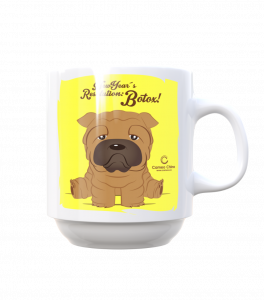
Picture this: You’re rockin’ the restaurant world, hustlin’ hard, and your coffee’s gone cold. Woof, that’s rough. But guess what? Cameo’s got your back with our brand new, tail-waggingly cute dog mugs! We’re unleashing these adorable pups at the National Restaurant Association Show starting May 18th. And hey, we didn’t forget the quality dinnerware that made us the official dinnerware supplier for all foodservice operations at the 2008 Beijing Olympics!
Swing by our booth and let’s find your perfect furry coffee companion. Six different breeds to choose from – guaranteed to make those morning meetings way less of a drag. These mugs will be a paws-itively delightful reminder of all the awesome connections you make at the show.





We’re all about consistency, quality dishes, and customer service that’ll make you want to howl at the moon (in a good way). Because when your business shines, we shine too! Cameo’s team is ready to pounce on the chance to find the right dinnerware solution for you.
We’ve got warehouses stocked to the brim in both the US and Canada – Secaucus, New Jersey / Toronto, Canada.
Mark those calendars and come sniffin’ around Booth #8033 for a barkin’ good time!
May 18-21, 2024 —McCormick Place, Chicago.
Can’t wait to see your smiling faces!
5 Tips to Avoid No-shows at Your Restaurant

Published: November 2019
5 Tips to Avoid No-Shows at Your Restaurant
Prevent missed reservations with these proven strategies for effective restaurant management.
Introduction
No-shows—customers who make reservations but fail to show up or cancel—can be a significant challenge for restaurants. They lead to revenue loss and disrupt operational flow. Fortunately, there are strategies to reduce no-shows and ensure smoother operations. Here are 5 practical tips to help you minimize no-shows at your restaurant.1. Communicate Openly
Clear communication is key to avoiding no-shows. Make your reservation policies easy to understand:- Explain how customers can cancel reservations and the ideal time to do so.
- Highlight the importance of timely cancellations and offer multiple cancellation methods (phone, text, or online).
- Consider implementing an automatic reservation system for convenience.
2. Detail Them on the Fees
Charging a reservation fee can significantly reduce no-shows:- Request credit card details to hold reservations and charge a deposit fee if necessary.
- Clearly outline the policies and procedures for reservation charges to ensure transparency.
3. Set a Time-Frame
Define how long you will hold a reservation if a customer is late. Consider these steps:- Set a standard wait time (e.g., 15 minutes) before releasing the table.
- Customize the time-frame based on your restaurant’s location and typical customer behavior.
- Communicate the wait policy to customers when they make their reservation.
4. No Reservation or Limit Reservations
Consider adjusting your reservation policy based on your restaurant’s needs:- No Reservations: For new restaurants, avoiding reservations altogether can simplify operations.
- Limit Reservations: Restrict reservations to specific time periods or peak hours to balance planned bookings with spontaneous visits.
5. Send Reminders
Proactively remind customers of their reservations to reduce no-shows:- Send reminders via phone calls, emails, or text messages with reservation details (date and time).
- Use reservation management software to automate reminder notifications.