

Published: June 2025
Tag: #don
The Economic Squeeze: Creative Menu Engineering for Profitability?

Published: May 2025
Introduction: The Dual Challenge of Modern Hospitality
In today”s US economic climate, the hospitality industry faces a formidable dual challenge: on one hand, operational costs, from ingredients to labor, are steadily rising. On the other, consumers are increasingly price-sensitive, scrutinizing every dollar spent dining out. Navigating this tightrope requires more than just culinary skill; it demands sharp business acumen. This is where strategic menu engineering, with a keen eye on details like chinaware selection and utilization, becomes a critical lever for maintaining, and even boosting, profitability. A well-engineered menu isn’t just a list of dishes; it’s a powerful sales tool, a cost-control mechanism, and a reflection of your brand’s value proposition.
Step 1: Deep Dive into Your Current Menu & Food Costs
Before you can re-engineer your menu for success, you need a clear understanding of its current performance. This involves a thorough analysis of both sales data and food costs.
- Identifying Winners and Losers: Which menu items are your stars (high popularity, high profitability)? Which are your plowhorses (high popularity, low profitability), puzzles (low popularity, high profitability), or dogs (low popularity, low profitability)? This classic menu engineering matrix provides a crucial starting point.
- Tracking Ingredient Price Volatility: The current US economy has seen significant fluctuations in ingredient prices. Are you closely tracking these changes? Which ingredients are most susceptible to price swings, and how do these impact the cost of your most popular dishes? This granular understanding is vital for making informed decisions.
Step 2: Strategies for Cost-Effective Menu Design
Armed with data, you can begin to implement strategies that enhance profitability without alienating your customer base.
- Ingredient Optimization & Cross-Utilization: Design dishes that share common ingredients. This not only reduces waste and simplifies inventory management but can also lead to better pricing from suppliers due to larger volume purchases. Prioritize seasonal and locally sourced ingredients where feasible; they can often be more cost-effective and appeal to consumer demand for freshness and sustainability.
- Mastering Portion Control: Consistency in portioning is key to managing food costs. However, portion control doesn’t mean skimping. It means delivering a satisfying amount consistently, which also helps in managing customer expectations and perceived value. Proper training and the right serving tools are essential here.
- Recipe Re-engineering for Profit: Can you subtly modify recipes for high-cost, lower-profit items? This might involve substituting a less expensive but still high-quality ingredient, or slightly adjusting the ratio of components. The goal is to reduce cost without a noticeable drop in quality or flavor that could disappoint loyal customers.
- Leveraging Limited Time Offers (LTOs) & Specials: LTOs are an excellent way to capitalize on seasonal ingredient abundance (which often means lower prices) or to test new menu items with minimal risk. They also create a sense of urgency and excitement, potentially driving traffic.
Step 3: The Unsung Hero – Chinaware’s Role in Value Perception & Cost Control
Chinaware is often overlooked in menu engineering, but its impact on both perceived value and cost control can be substantial.
- The Power of Versatile Chinaware: Investing in high-quality, versatile chinaware can be a game-changer. Select plates, bowls, and platters that can beautifully present a wide array of dishes. This reduces the need for an extensive and often underutilized inventory of specialized pieces, saving on initial investment, storage space, and potential breakage costs. For instance, suppliers like Cameo China often maintain regular stock of such versatile collections, alleviating the need for businesses to overstock and tie up capital. Furthermore, their experienced teams can be a valuable resource in helping find the perfect chinaware solutions to complement specific menu needs and presentation styles.
- Enhancing Visual Appeal & Perceived Value: The right chinaware can make even a more cost-effective portion look abundant and appealing. Consider the color, shape, and size of the plate. A smaller, well-chosen plate can make a standard portion appear more generous. Strategic plating techniques, using the chinaware as a canvas, can elevate the entire dining experience and justify price points.
- Optimizing Dish Size to Menu Items: Avoid the pitfall of serving dishes on inappropriately sized chinaware. An oversized plate can make a perfectly adequate portion look small, tempting chefs to add more (costly) garnishes or sides to fill the space. Conversely, a plate that’s too small can make the dish look cramped and unappetizing. Ensure your chinaware inventory is thoughtfully matched to your menu offerings.
Step 4: Smart Pricing Strategies for a Challenging Economy
How you price your menu items is just as important as what’s on the menu.
- Beyond Cost-Plus: While understanding your costs is fundamental, don’t rely solely on a simple cost-plus pricing model. Consider perceived value, competitor pricing, and your target audience’s willingness to pay.
- Tiered Pricing, Combos, and Value-Driven Options: Offer a range of price points to appeal to different budgets. Combo deals can increase the average check value while offering perceived savings to the customer. Ensure you have appealing, value-driven options that don’t compromise your brand’s quality.
- Communicating Value Effectively: Your menu descriptions, staff recommendations, and even the ambiance of your restaurant all contribute to communicating value. Highlight unique ingredients, special preparation methods, or the story behind a dish to enhance its perceived worth.
Conclusion: Engineering Profitability in Tough Times
In the face of rising costs and price-conscious consumers, smart menu engineering, thoughtfully supported by strategic chinaware choices, is not just a tactic—it’s a cornerstone of a resilient and profitable hospitality business. By analyzing your current offerings, optimizing ingredients and portions, leveraging the subtle power of presentation, and pricing strategically, you can navigate the current US economic climate with confidence.
Call to Action: When was the last time you conducted a thorough menu profitability analysis? Take the time this week to dive into your numbers. Simultaneously, review your chinaware inventory. Is it working for you, or against you? Consider how versatile, durable, and aesthetically pleasing chinaware from dependable sources, such as Cameo China, can support your menu engineering efforts and enhance your bottom line. Consulting with their experienced team can also provide fresh perspectives on optimizing your selections for your specific menu needs.
Navigating Tariffs: Smart Supply Procurement Strategies for US Hospitality in an Uncertain Economy

Published: May 2025
Introduction: The Shifting Tides of Trade
The US economic landscape is in a constant state of flux, with tariffs and trade uncertainties presenting significant challenges for the entire hospitality supply chain. For restaurants and hotels, these shifts directly impact procurement costs, particularly for imported goods such as chinaware, linens, and specialized equipment. For dealers and distributors of these essential products, the current business environment and evolving consumer buying behaviors mean that holding excessive stock can lead to severe financial pressure. Understanding these multifaceted impacts and developing agile strategies is no longer just good business—it’s essential for survival and success. This post will delve into actionable strategies to help your establishment navigate these turbulent economic waters, ensuring your essential supplies remain high quality and cost-effective, and how partnerships can alleviate inventory burdens.
Understanding Tariff Impacts on Your Bottom Line
The first step in weathering any storm is understanding its potential impact. Tariffs, essentially taxes on imported goods, can ripple through your supply chain, leading to unexpected cost increases that erode profit margins for both end-users and distributors.
It’s crucial to identify which of your supplies are most vulnerable. This includes not only items with complex international sourcing like chinaware, but also specialized kitchen equipment, certain food items, textiles, and other operational necessities. Once identified, the next step is to meticulously calculate the potential cost increases. This isn’t just about the direct tariff percentage; it also involves considering associated costs like increased shipping fees or the need to find and vet new suppliers. A clear understanding of this financial impact will form the bedrock of your mitigation strategy.
Smart Sourcing & Vendor Diversification Strategies
With a clear picture of the potential financial impact, it”s time to explore smarter sourcing and diversification. Relying on a single source or region for critical supplies can leave you exposed in an unstable trade environment.
- Domestic Sourcing & Reliable Partnerships with North American Presence: One of the most direct responses to import tariffs is to explore US-based manufacturers and suppliers, or those with a strong, reliable presence and commitment to the North American market. For example, when considering chinaware, a factory brand like Cameo China understands the business. Our commitment to our customers means that even under these challenging situations, Cameo China will still strive to maintain regular stock levels. Furthermore, with warehouses in both the US and Canada, Cameo China is an ideal choice for businesses operating in both countries, ensuring streamlined logistics and reliable supply. This provides a degree of stability you can count on. When evaluating any supplier for any product, domestic or international, assess the quality, design variety, production capacity, pricing, and their demonstrated ability to maintain inventory and service levels, especially their logistical capabilities within your key operational regions.
- For Dealers: The Strategic Partner Advantage: In this challenging business environment, and with new consumer buying behaviors, dealers of all hospitality products face immense pressure to avoid overstocking, which can tie up capital and lead to financial strain. A partner like Cameo China, for chinaware, offers a model that can be sought in other product categories as well: flexibility and dropship options that allow dealers to maintain minimal inventory, thereby better managing finances and reducing risk. Our US and Canadian warehouses further enhance this advantage for dealers serving clients across North America. This partnership model means you can serve your customers effectively without the burden of excessive stock across your product lines.
- Nearshoring/Friend-shoring: Consider suppliers in countries with more stable trade agreements with the US or those less affected by current tariff regimes. Mexico, Canada, or other allied nations might offer viable alternatives that balance cost, quality, and logistical reliability for various hospitality products.
- Building Stronger Vendor Relationships: Regardless of where your suppliers are located, or what products they provide, fostering strong, transparent relationships is paramount. Engage in open discussions about potential cost impacts, negotiate terms proactively, and work collaboratively on forecasting. A supplier who views you as a partner is more likely to work with you to find solutions during challenging times.
Inventory Management & Advanced Planning
In a volatile market, your inventory management strategy for all essential supplies needs to be both nimble and forward-thinking.
- Strategic Stockpiling vs. Just-in-Time (JIT): While JIT inventory can reduce holding costs, it can also leave you vulnerable to sudden price hikes or supply disruptions caused by tariffs. Evaluate the feasibility of strategic stockpiling for key items if you anticipate significant price increases or shortages. This requires careful analysis of carrying costs versus potential savings. For dealers, leveraging partners who offer dropship capabilities and have local warehousing, like Cameo China does for chinaware in the US and Canada, can significantly mitigate these risks for those specific product lines.
- Improving Demand Forecasting: Accurate demand forecasting is crucial to optimize order quantities across all your product categories, minimizing both overstocking and the risk of running out of essential items. Utilize historical data, consider seasonal trends, and factor in any planned promotions or events.
Conclusion: Charting a Course Through Uncertainty
Proactive procurement, strategic sourcing, and adaptable planning are the compass and rudder for navigating the economic headwinds of tariffs and trade uncertainties. The hospitality industry has always been resilient, and by implementing these strategies, your restaurant or hotel can better protect its bottom line, maintain its quality standards, and continue to provide exceptional guest experiences. For dealers, partnering with reliable suppliers who offer flexibility, consistent stock, robust North American warehousing (as Cameo China does with its US and Canadian facilities for chinaware), and dropship options is crucial for financial health and customer satisfaction across all product lines. The time to act is now.
Call to Action: Take a comprehensive look at your current procurement strategies for all essential hospitality supplies. Identify your vulnerabilities to tariff impacts and begin exploring diversification, alternative sourcing, and stronger vendor partnerships today. Consider how factory brands like Cameo China, with its commitment to maintaining stock, supporting dealers with flexible options, and its strategic US and Canadian warehouse locations for chinaware, can serve as a model for the types of partnerships you seek for other products. Your proactive efforts will be key to thriving in an ever-changing economic landscape.
Staffing Smart in a Challenging US Economy: Boosting Your Bottom Line Through Efficient Hiring, Training, & Retention

Published: May 2025
Introduction: The People Puzzle in Today’s US Hospitality Market
The US hospitality industry is currently navigating a complex labor market. Persistent staff shortages, coupled with rising wage inflation, present significant operational hurdles for hotels and restaurants. In such an environment, simply filling positions is not enough. Smart staffing strategies—encompassing innovative recruitment, effective training, and robust retention efforts—are no longer just an HR function but a critical component of business resilience and profitability. Moreover, a well-trained and engaged team is your first line of defense in protecting valuable assets, from kitchen equipment to the very chinaware that graces your tables.
Step 1: Rethinking Recruitment & Attraction in a Competitive Landscape
Finding the right talent requires a multifaceted approach that goes beyond traditional methods.
- Expanding Your Talent Pool: Look for potential in unconventional places. Consider candidates with experience in other customer-facing industries who possess transferable skills. Partner with local community organizations, vocational schools, or programs that support re-entry into the workforce.
- Competitive Compensation (Within Reason): While wage pressures are real, ensure your compensation packages are competitive for your market. This doesn’t always mean being the highest payer, but it does mean offering fair wages and, where possible, benefits that matter to your target employees (e.g., health insurance, paid time off).
- Highlighting Non-Monetary Benefits: Often, what truly attracts and retains employees goes beyond the paycheck. Emphasize flexible scheduling options, a positive and supportive work culture, and clear pathways for growth and development within your organization. Acknowledging work-life balance can be a powerful differentiator.
- Leveraging Technology for Efficient Recruitment: Utilize online job boards, social media recruiting, and applicant tracking systems (ATS) to streamline your hiring process. Technology can help you reach a wider audience and manage applications more efficiently, saving time and resources.
Step 2: Effective Onboarding & Training – Investing in Efficiency and Asset Protection
Once you’ve attracted talent, a comprehensive onboarding and training program is crucial for setting them, and your business, up for success.
- Comprehensive Training for Quality and Efficiency: Your training should cover not only the specific tasks of the role but also your service standards, brand values, and operational procedures. Well-trained employees are more confident, efficient, and provide a better guest experience.
- The Critical Role of Asset Care Training (Including Chinaware): Breakage and damage to assets like chinaware can significantly impact your bottom line. Implement specific training modules on the proper handling, carrying, washing, and storage of these items. For example, demonstrating correct stacking techniques for different types of tableware, or the right way to load a commercial dishwasher to prevent chipping, can lead to substantial long-term savings. This attention to detail instills a sense of responsibility and care in your team.
- Cross-Training for Flexibility and Cost Control: Cross-training employees to handle multiple roles not only makes your team more versatile and resilient to unexpected absences but can also help manage labor costs. It provides employees with new skills and can reduce the need for highly specialized (and often more expensive) staff for every single function.
Step 3: Nurturing Your Team – Strategies for Employee Retention & Engagement
High employee turnover is costly, both financially and in terms of morale and service consistency. Investing in retention is a smart economic move.
- Cultivating a Supportive and Respectful Work Environment: A positive workplace culture where employees feel valued, respected, and heard is paramount. Open communication, fair treatment, and strong leadership are key ingredients.
- Providing Opportunities for Growth and Development: Employees are more likely to stay with an organization that invests in their future. Offer opportunities for skill development, further training, and clear pathways for career advancement.
- Recognizing and Rewarding Performance: Acknowledge and reward hard work, dedication, and exceptional service. This can be through formal programs (e.g., employee of the month, performance bonuses) or informal gestures of appreciation. Feeling recognized boosts morale and motivation.
- Understanding the True Cost of Turnover: Calculate the actual costs associated with employee turnover (recruitment, hiring, training new staff, lost productivity, potential impact on guest satisfaction). Comparing this to the investment required for retention initiatives often makes a compelling financial case for focusing on keeping your good employees.
Step 4: Optimizing Labor Costs Without Sacrificing Service Quality
While controlling labor costs is essential, it should not come at the expense of the guest experience.
- Smart Scheduling Based on Demand: Utilize historical data and future bookings to create staffing schedules that accurately reflect demand. Avoid overstaffing during slow periods and understaffing during peak times, which can lead to burnout and poor service.
- Implementing Technology for Routine Tasks: Explore technology solutions that can automate or streamline routine, non-guest-facing tasks. This can free up your staff to focus on higher-value activities and guest interaction.
Conclusion: Your Team, Your Greatest Asset
In the challenging US economic landscape, investing in your team is not an expense; it’s an investment in the resilience, profitability, and long-term success of your hospitality business. Smart staffing strategies, from recruitment to retention, coupled with thorough training that includes the proper care of valuable assets like your chinaware, will significantly impact your bottom line and help you thrive.
Call to Action: Take a critical look at your current staffing strategies. Where are the opportunities to improve recruitment, enhance training (especially around asset protection), and boost employee retention? Implementing even small, consistent changes can yield significant returns in today’s demanding market.
Managing Multi-Generational Staff in Hospitality: Strategies for Success in a Diverse Workplace

Published: November 2024
Introduction
For the first time in modern history, the hospitality workforce spans five distinct generations—from Traditionalists and Baby Boomers to Generation X, Millennials, and Generation Z. This unprecedented generational diversity creates both remarkable opportunities and significant challenges for hospitality leaders. Each generation brings different values, communication preferences, work styles, and expectations to the workplace, creating potential for both enriched service innovation and increased team friction. The stakes are particularly high in hospitality, where staff cohesion directly impacts guest experience and where labor challenges have reached crisis levels in many markets. Properties that successfully harness the strengths of a multi-generational workforce gain competitive advantage through enhanced creativity, improved guest connections across demographics, and greater operational resilience. Conversely, those that fail to effectively bridge generational differences often experience higher turnover, internal conflict, and inconsistent service delivery. This comprehensive guide explores practical strategies for hospitality managers to build high-performing teams across generational boundaries. We’ll examine the distinct characteristics of each generation currently in the workforce, discuss common friction points and how to address them, explore leadership approaches that resonate across generational divides, and provide frameworks for creating an inclusive culture that values diverse perspectives. Throughout, we’ll share insights from hospitality organizations that have successfully transformed generational diversity from a challenge into a competitive strength.Understanding Generational Differences in the Hospitality Context
Before developing management strategies, it’s essential to understand the characteristics and motivations of each generation:The Five Generations in Today’s Workforce
Each generation has been shaped by different historical events and cultural influences: Traditionalists (Born before 1946): While representing a small percentage of the active workforce, Traditionalists still contribute significantly in certain hospitality roles, particularly in luxury properties where their extensive experience and traditional service values are highly valued. This generation typically demonstrates strong work ethic, respect for authority, and appreciation for formal recognition.“Our Traditionalist team members bring an irreplaceable depth of service knowledge and guest relationship skills,” notes a General Manager at a luxury New York hotel. “They often serve as our standard-bearers for service excellence and mentors for younger staff.”Baby Boomers (Born 1946-1964): Boomers occupy many senior leadership and specialized roles in hospitality, bringing extensive industry knowledge and strong work dedication. They typically value job security, professional accomplishment, and in-person communication. Many are delaying retirement, creating both opportunities for knowledge transfer and challenges in advancement paths for younger generations. Generation X (Born 1965-1980): Gen X employees often hold middle and senior management positions in hospitality organizations. They tend to be self-reliant, adaptable, and pragmatic problem-solvers who value work-life balance. This generation frequently serves as a bridge between older and younger colleagues, translating between different communication styles and work approaches. Millennials (Born 1981-1996): Now the largest generation in the workforce, Millennials occupy roles across all levels of hospitality organizations. They typically seek purpose-driven work, regular feedback, career development opportunities, and technology integration. This generation often brings strong collaborative skills and comfort with diversity, along with expectations for workplace flexibility. Generation Z (Born 1997-2012): The newest entrants to the hospitality workforce, Gen Z employees bring digital nativity, entrepreneurial thinking, and strong values around authenticity and social responsibility. They often seek financial security, mental health support, and clear boundaries between work and personal life. This generation typically expects technology-enabled processes and diverse, inclusive workplaces.
“Understanding these generational characteristics isn’t about stereotyping individuals but recognizing patterns that influence workplace expectations and communication preferences,” explains an organizational psychologist specializing in hospitality workplaces. “The most effective managers recognize these patterns while still treating team members as individuals with unique needs and strengths.”
Common Friction Points in Multi-Generational Teams
Several areas frequently create tension in age-diverse hospitality teams: Communication Style Differences: Generational preferences for communication channels and styles often create friction. Older generations typically prefer face-to-face or voice conversations with more formal language, while younger team members often default to text-based, abbreviated communication through digital channels. Technology Adoption Gaps: Varying comfort levels with technology can create operational challenges and interpersonal tension. Younger staff may grow frustrated with what they perceive as resistance to efficiency-enhancing technology, while older team members may feel their experience is devalued when new systems replace familiar processes. Work-Life Balance Expectations: Different generations often have divergent views on work hours, scheduling flexibility, and appropriate boundaries. Baby Boomers may interpret younger generations’ desire for flexibility as lack of commitment, while Millennials and Gen Z might view older colleagues’ long hours as inefficient or reflecting poor boundaries. Recognition and Feedback Preferences: Younger generations typically expect frequent, informal feedback and recognition, while older generations often prefer more formal, scheduled performance discussions. These differences can lead to younger staff feeling unsupported while managers believe they’re providing adequate guidance. Authority and Hierarchy Perspectives: Traditionalists and Boomers often respect hierarchical structures and expect deference to experience, while younger generations typically prefer flatter organizations where ideas are evaluated on merit regardless of tenure. These differences can create tension around decision-making processes and innovation initiatives.A major hotel company addressed these friction points by creating cross-generational “Quality Teams” that collaborate on service improvement initiatives. “We deliberately mix generations on these teams to combine the service tradition knowledge of our veteran staff with the fresh perspectives and technological fluency of younger team members,” explains a former Vice President of their Leadership Center. “The initial friction typically evolves into mutual respect as team members recognize the value each generation brings to solving service challenges.”
Generational Strengths in Hospitality Contexts
Each generation brings valuable strengths to hospitality operations: Traditionalists and Baby Boomers:- Deep understanding of traditional service standards and protocols
- Extensive product knowledge and industry relationships
- Strong work ethic and reliability
- Well-developed interpersonal skills for high-touch guest interactions
- Valuable connections with older guest demographics
- Adaptability to both traditional and modern service approaches
- Strong problem-solving abilities with minimal supervision
- Effective bridging between different communication styles
- Practical approach to implementing changes
- Balance between technological adoption and high-touch service
- Natural facility with technology and digital guest touchpoints
- Comfort with rapid change and evolving service models
- Strong collaboration and team-oriented work styles
- Multicultural fluency and inclusive mindsets
- Fresh perspectives on service innovation and guest experience
A leading luxury hotel group has developed a “Strengths Mapping” process that explicitly identifies the generational advantages within each department. “Rather than focusing on differences as problems, we map the specific strengths each generation brings to our operation,” notes their President and CEO. “This approach has transformed our perspective from managing generational ‘gaps’ to leveraging generational ‘assets’ that collectively enhance our service delivery.”
Leadership Strategies for Multi-Generational Teams
Effective leadership across generations requires thoughtful approaches:Adaptive Communication Frameworks
Successful multi-generational leadership begins with communication: Channel Flexibility: Effective leaders develop fluency across multiple communication channels, recognizing when face-to-face conversations, phone calls, emails, or messaging platforms are most appropriate for different team members and situations. This flexibility demonstrates respect for diverse preferences while ensuring clear information flow. Translation Between Styles: Skilled managers often serve as “translators” between different generational communication styles, helping team members understand intentions that might be obscured by stylistic differences. This translation prevents misinterpretations that can damage team relationships. Communication Expectations Setting: Rather than assuming shared understanding, successful leaders explicitly establish communication protocols—which channels to use for different types of information, expected response timeframes, and appropriate formality levels. These clear expectations prevent friction caused by unspoken assumptions. Generational Code-Switching: The most effective leaders develop the ability to “code-switch” between communication styles based on their audience—adjusting formality, directness, and medium to match recipient preferences while maintaining authenticity and consistency in core messages.A major hotel corporation implemented a “Communication Preference Profile” as part of their onboarding process. “We ask all team members to indicate their preferred communication channels for different types of information,” explains their President and CEO. “This simple tool has reduced miscommunication by 34% according to our internal metrics, while demonstrating respect for individual preferences regardless of generation.”
Inclusive Decision-Making Approaches
Balancing diverse perspectives in decision processes is essential: Multi-Level Input Structures: Effective leaders create structured opportunities for input from all organizational levels, ensuring that both experienced perspectives and fresh viewpoints inform decisions. These structures might include cross-generational task forces, representative feedback panels, or systematic idea submission processes. Transparent Rationale Communication: When making decisions that might conflict with some generational preferences, successful leaders clearly communicate the reasoning behind choices, acknowledging different viewpoints while explaining the factors that influenced the final decision. This transparency builds trust across generational lines. Decision Authority Clarity: Effective managers establish clear understanding of which decisions are collaborative versus directive, preventing frustration when input is sought but not ultimately followed. This clarity is particularly important for younger generations who may expect greater decision participation. Balanced Innovation Approach: Successful leaders create frameworks that balance respect for established practices with openness to innovation, explicitly valuing both experience-based wisdom and fresh perspectives. This balance prevents either resistance to necessary change or dismissal of valuable traditions.A large international hotel company’s “Innovation Lab” program exemplifies effective multi-generational decision-making. “We deliberately structure our innovation teams with representatives from all generations,” notes their President. “Each new service concept must address the question: ‘How does this honor our heritage while moving us forward?’ This framing respects experience while creating space for fresh thinking.”
Flexible Recognition and Feedback Systems
Adapting recognition to generational preferences drives engagement: Feedback Frequency Variation: Effective leaders adapt feedback frequency to individual preferences rather than applying one-size-fits-all approaches. While maintaining consistent performance standards, they provide more frequent, informal feedback for team members who value regular input while respecting others’ preference for more scheduled discussions. Multi-Channel Recognition: Successful recognition programs offer options that resonate across generations—public acknowledgment for those who value visibility, private appreciation for those who prefer discretion, tangible rewards for some, and experience-based recognition for others. This variety ensures meaningful recognition for all team members. Bidirectional Mentoring Programs: Innovative organizations establish formal programs where knowledge flows in multiple directions—traditional mentoring from experienced to newer staff alongside reverse mentoring where younger team members share technological insights or fresh perspectives with senior colleagues. Achievement Documentation Systems: Effective leaders implement systems for documenting both major and minor achievements throughout the year, ensuring that all contributions are remembered during formal review processes regardless of when they occurred. This documentation is particularly important for younger generations seeking regular acknowledgment.A global hotel brand’s “Catch Me at My Best” program exemplifies effective multi-generational recognition. “The program allows anyone—guests, peers, or managers—to recognize staff contributions through multiple channels including physical cards, our mobile app, or verbal acknowledgment,” explains their President and CEO. “This flexibility ensures that recognition matches both the giver’s and receiver’s preferences, resonating across generational boundaries.”
Career Development Across Life Stages
Effective development approaches recognize different career stages: Individualized Career Pathing: Successful organizations create flexible career development frameworks that accommodate different life stage needs and goals—accelerated advancement for early-career staff, lateral moves for those seeking new challenges without additional management responsibility, and meaningful late-career contributions that leverage deep expertise. Skills-Based Advancement Structures: Progressive hospitality organizations are shifting from purely tenure-based advancement to skills-based progression that allows talented team members to advance based on capabilities rather than years of service. This approach addresses younger generations’ desire for meritocracy while still valuing experience. Life Stage-Appropriate Benefits: Effective retention strategies include benefits packages with options relevant to different life stages—student loan assistance for younger staff, family support for mid-career team members, and phased retirement or consulting opportunities for experienced employees considering transitions. Continuous Learning Culture: Successful leaders foster environments where learning is ongoing and accessible to all generations through diverse methods—formal training, peer coaching, online modules, and experiential development opportunities. This culture supports skill relevance across changing industry demands.A prominent hospitality group implemented a “Career Lattice” model replacing traditional linear career paths. “Our lattice allows team members to move laterally, diagonally, or vertically based on their skills, interests, and life stage needs,” explains their Chief Human Resources Officer. “This flexibility has dramatically improved retention across all generations by providing meaningful development opportunities beyond just climbing the management ladder.”
Building an Inclusive Multi-Generational Culture
Creating a truly integrated workplace requires deliberate culture building:Fostering Mutual Respect and Understanding
Activities promoting empathy across generations are key: Cross-Generational Teambuilding: Design activities that require collaboration across age groups, focusing on shared goals that leverage diverse skills and perspectives. Generational Awareness Training: Implement workshops that educate team members about different generational characteristics and communication styles, focusing on building understanding rather than reinforcing stereotypes. Shared Storytelling Platforms: Create opportunities for team members from different generations to share their experiences, career journeys, and perspectives, fostering empathy and connection.Leveraging Generational Strengths Collaboratively
Structure work to maximize combined advantages: Mixed-Generation Project Teams: Intentionally assemble teams with diverse generational representation for key initiatives, ensuring a blend of experience, innovation, and technological fluency. Knowledge Sharing Structures: Establish formal and informal mechanisms for transferring knowledge across generations—from traditional mentoring to reverse mentoring and peer coaching arrangements. Role Design Based on Strengths: Where possible, design roles and assign tasks that align with typical generational strengths while providing opportunities for cross-generational skill development.Establishing Shared Values and Purpose
Unifying principles transcend generational differences: Clearly Articulated Core Values: Define and consistently reinforce organizational values that resonate across generations, focusing on universal principles like respect, integrity, service excellence, and teamwork. Purpose-Driven Mission: Connect daily work to a larger organizational purpose that provides meaning for all team members, regardless of age or role. Inclusive Language and Imagery: Ensure all internal and external communications use language and visuals that reflect and respect the diversity of the workforce, avoiding age-related stereotypes or biases. A hospitality leadership expert advises: “The most effective multi-generational cultures are built on a foundation of shared purpose and mutual respect. When team members feel united by common goals and genuinely value the contributions of colleagues from different backgrounds and age groups, generational differences become sources of strength rather than friction.”Case Study: Boutique Hotel Group’s Generational Integration Initiative
Examining a specific implementation provides practical insights: Challenge: A growing boutique hotel group with properties appealing to diverse guest demographics experienced increasing friction between its long-serving Baby Boomer managers and newly hired Millennial and Gen Z frontline staff. Issues included communication breakdowns, conflicts over technology adoption, and rising turnover among younger employees citing lack of development opportunities. Approach:- Implemented mandatory “Bridging Generations” workshops for all managers and staff focused on understanding communication styles and building empathy.
- Established a formal bidirectional mentoring program pairing senior leaders with junior staff for mutual learning.
- Revised the performance feedback process to include options for more frequent, informal check-ins alongside traditional annual reviews.
- Created cross-generational “Service Innovation Teams” at each property tasked with developing new guest experiences leveraging diverse perspectives.
- Launched a skills-based career development platform allowing advancement based on demonstrated capabilities rather than solely on tenure.
- Updated internal communication platforms to include channels preferred by younger generations while maintaining traditional methods for those who preferred them.
- Reduced employee turnover among staff under 30 by 28%.
- Increased employee engagement scores related to communication and teamwork by 15 percentage points.
- Generated 12 new guest service initiatives directly from the cross-generational innovation teams, leading to a 5% increase in guest satisfaction scores.
- Improved adoption rates for new technologies by 40% through better training and peer support facilitated by the mentoring program.
- Received industry recognition for innovative workplace culture.
Conclusion: Harnessing Generational Diversity as a Competitive Advantage
Managing a multi-generational workforce presents unique challenges but offers profound opportunities for hospitality organizations willing to invest in inclusive leadership and thoughtful strategies. Rather than viewing generational differences as obstacles, successful properties recognize them as sources of diverse perspectives, skills, and experiences that can enrich service delivery, enhance innovation, and build stronger connections with guests across all demographics. The key strategies involve:- Understanding and Appreciating Differences: Moving beyond stereotypes to genuinely understand the values, preferences, and strengths each generation brings.
- Adaptive Leadership: Employing flexible communication, recognition, and development approaches that resonate across generational boundaries.
- Building Bridges: Creating structures and processes that foster collaboration, knowledge sharing, and mutual respect between age groups.
- Fostering an Inclusive Culture: Establishing shared values and purpose that unite team members while celebrating diverse contributions.
- Leveraging Combined Strengths: Intentionally structuring teams and initiatives to harness the complementary advantages of multi-generational collaboration.
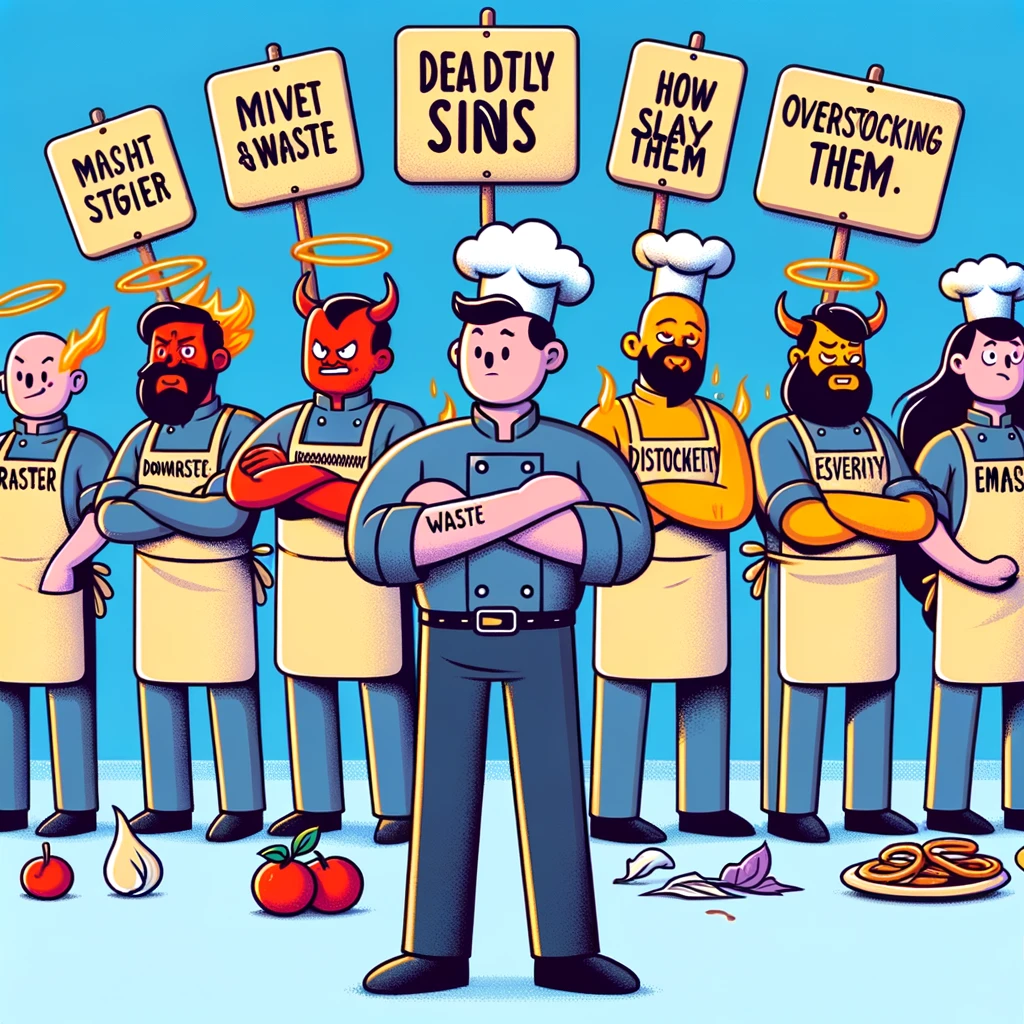
7 Deadly Sins of Restaurant Inventory Management (and How to Slay Them)
Published: March 2024