Cost-Saving Strategies in Hospitality: Maintaining Quality in an Inflationary Environment

Introduction

The hospitality industry has always operated on relatively thin margins, but today’s economic landscape presents unprecedented challenges. Persistent inflation across labor, food, energy, and supplies has created intense pressure on operational costs, while market competition and guest expectations limit the ability to simply pass these increases on through pricing. For hotel and restaurant operators, finding ways to reduce costs without compromising the guest experience has become an existential imperative.

This challenge is particularly acute because guests have become more discerning than ever. After years of disruption in travel and dining, consumers have heightened sensitivity to value and are quick to notice when cost-cutting measures negatively impact their experience. At the same time, staffing challenges continue to plague the industry, with many operations running leaner teams that must somehow maintain service standards while controlling costs.

This blog explores strategic approaches to cost management that preserve—and in some cases enhance—the guest experience while improving financial performance. We’ll examine innovative strategies across major operational areas, from labor and food costs to energy, technology, and procurement. Throughout, we’ll focus on sustainable solutions that create lasting efficiency rather than short-term fixes that ultimately compromise quality and guest satisfaction.

Strategic Labor Management

With labor typically representing 30-40% of operational costs in hospitality, this area demands particular attention:

Rethinking Staffing Models

Traditional approaches to scheduling and deployment are being reimagined:

Demand-Based Scheduling:
Advanced forecasting tools now enable much more precise staffing based on anticipated demand patterns. These systems analyze historical data, reservations, local events, weather forecasts, and even social media activity to predict staffing needs with remarkable accuracy.

A hotel operations expert explains: “We’ve moved from static scheduling based on day of week to dynamic models that adjust staffing levels hourly based on predicted demand. This approach has reduced labor costs by 12% while actually improving service metrics because staff are deployed when and where they’re most needed.”

Cross-Training and Flexible Roles:
Rather than rigid job descriptions, many operations are developing more flexible staffing models where team members can move between functions as needed. This approach reduces overall headcount requirements while creating more engaging work for employees.

A restaurant manager shares: “We’ve implemented what we call ‘zone hospitality’ where staff are responsible for all aspects of service within a defined area rather than specialized roles like server, busser, and food runner. This model has reduced our front-of-house labor by 22% while improving both guest satisfaction and staff earnings through more efficient service.”

Core Team + Flexible Workforce:
Some operations are adopting models that combine a smaller core team of full-time employees with a flexible workforce engaged through gig platforms, part-time arrangements, or resource sharing with complementary businesses.

A hospitality consultant notes: “The most successful operations maintain a strong core team that embodies the brand culture and ensures consistent quality, supplemented by flexible staff for peak periods. This hybrid model can reduce overall labor costs by 15-20% while maintaining service standards during high-demand periods.”

Technology-Enhanced Productivity

Strategic technology deployment can dramatically improve labor efficiency:

Self-Service Options:
From mobile check-in and digital room keys in hotels to QR code ordering and payment in restaurants, self-service technologies can reduce labor requirements while often improving guest satisfaction through increased convenience and control.

A hotel technology director explains: “Our mobile check-in adoption has reached 72%, which has allowed us to reduce front desk staffing by 35% during non-peak hours while maintaining minimal wait times for guests who prefer traditional check-in.”

Task Automation:
Robotic process automation (RPA) and AI-powered systems are eliminating many routine administrative tasks, from report generation and data entry to basic guest communications and inventory management.

A hospitality operations specialist shares: “We implemented an AI-powered system that handles routine guest requests via text message. The system resolves about 70% of inquiries without human intervention, allowing our guest services team to focus on more complex needs while reducing staffing requirements.”

Productivity Tools:
Mobile task management systems, communication platforms, and workflow optimization tools can significantly increase staff efficiency by reducing time spent on coordination, information gathering, and administrative tasks.

A hotel manager notes: “After implementing a mobile task management system, we found housekeepers were saving an average of 45 minutes per shift previously spent returning to the office for new assignments or reporting issues. This efficiency improvement allowed us to increase rooms cleaned per shift by 15% without adding stress to the team.”

Retention and Engagement Focus

In today’s challenging labor market, reducing turnover creates significant cost savings:

Compensation Structure Optimization:
Beyond simply raising wages, innovative compensation approaches—such as performance-based incentives, profit-sharing, and retention bonuses—can reduce overall labor costs while improving staff financial outcomes.

A restaurant group HR director explains: “We implemented a profit-sharing program where 5% of monthly profit is distributed among staff based on hours worked. This program has reduced turnover by 40% while actually decreasing our total compensation costs when accounting for reduced hiring and training expenses.”

Quality of Life Improvements:
Schedule stability, adequate rest periods, and work-life balance accommodations can dramatically improve retention while reducing costs associated with burnout, errors, and turnover.

A hotel general manager shares: “We moved from publishing schedules one week in advance to three weeks in advance, with guaranteed minimum hours and limits on schedule changes. This simple operational change reduced turnover by 35% and decreased overtime costs by 22% by enabling better planning.”

Career Development Pathways:
Structured growth opportunities and skills development not only improve retention but enable internal promotion, reducing costly external hiring for supervisory and management positions.

A hospitality educator notes: “Properties that invest in structured development programs typically see ROI of 150-300% through reduced turnover, improved internal promotion rates, and enhanced operational performance from better-trained staff.”

Food and Beverage Cost Control

With food costs rising at unprecedented rates, strategic management of F&B operations is essential:

Menu Engineering and Design

The menu itself is a powerful cost control tool:

Strategic Item Selection:
Data-driven menu engineering identifies items that balance popularity and profitability, allowing operators to feature high-margin offerings more prominently while adjusting or eliminating underperforming items.

A restaurant consultant explains: “We analyze each menu item based on both contribution margin and popularity, creating a quadrant analysis that guides menu design. By subtly highlighting ‘stars’ (high margin, high popularity) and improving or replacing ‘dogs’ (low margin, low popularity), we typically improve overall food cost percentage by 2-4 points.”

Portion Control Standardization:
Precise standardization of recipes and portions ensures consistency while preventing costly overportioning. Modern approaches include visual guides, portion control tools, and regular training to maintain standards.

A culinary director shares: “We implemented standardized plating guides with photos and precise measurements for every dish. This simple tool reduced food cost by 3.2 percentage points through consistent portioning while actually improving guest satisfaction scores for food presentation.”

Menu Size Optimization:
Streamlined menus with fewer total items but strong variety can dramatically reduce inventory requirements, minimize waste, and improve execution quality while controlling costs.

A restaurant owner notes: “We reduced our dinner menu from 32 items to 18 carefully selected dishes that still covered all major categories and dietary needs. This change reduced our food cost by 4.5 percentage points while improving execution consistency and reducing prep time.”

Inventory and Waste Management

Sophisticated approaches to inventory can yield significant savings:

Perpetual Inventory Systems:
Digital inventory management tools that track real-time usage enable much tighter ordering, reduced carrying costs, and early identification of variance issues that might indicate waste or theft.

A food and beverage director explains: “After implementing a digital inventory system that tracks usage in real-time, we reduced our average inventory value by 22% while actually decreasing stockouts. The system pays for itself every month through improved cash flow and reduced waste.”

Waste Tracking and Analysis:
Systematic tracking of food waste—including cause, item, and value—provides actionable data to address specific problem areas through training, menu adjustments, or ordering changes.

A sustainability manager shares: “We implemented a simple waste tracking system where staff record all discarded food by weight and category. This data helped us identify that 35% of our vegetable waste came from just three items, allowing us to adjust ordering and prep procedures to reduce overall food waste by 41%.”

Cross-Utilization Strategy:
Thoughtful menu design that utilizes ingredients across multiple dishes reduces inventory requirements, improves freshness, and minimizes waste from unused partial inventory.

A chef consultant notes: “We redesigned a hotel’s menus across all outlets to maximize ingredient cross-utilization. By ensuring key ingredients appeared in multiple dishes across different outlets, we reduced SKU count by 26% while maintaining menu variety and improving overall food quality through higher inventory turnover.”

Procurement and Vendor Management

Strategic sourcing creates significant savings opportunities:

Vendor Consolidation:
Concentrating purchasing with fewer vendors can improve negotiating leverage, reduce administrative costs, and often secure volume discounts without sacrificing quality.

A purchasing director explains: “We reduced our vendor count from 27 to 12 strategic partners, which improved our average pricing by 7% through volume consolidation while actually reducing delivery frequency and associated receiving costs.”

Specification Optimization:
Reviewing product specifications to eliminate unnecessary premium features or identify alternative products can yield savings without impacting the guest experience.

A procurement specialist shares: “We conducted a comprehensive specification review and found numerous opportunities for savings, from switching to a slightly different olive oil grade in cooking applications to identifying a different cut of beef for braised dishes that performed identically at 15% lower cost.”

Local and Direct Sourcing:
For certain categories, particularly produce and specialty items, direct relationships with local producers can reduce costs by eliminating distributor markups while often improving product quality and freshness.

A farm-to-table restaurant owner notes: “By developing direct relationships with local farmers, we’ve reduced our produce costs by approximately 20% compared to distributor pricing while getting fresher products that actually improve our menu quality. The key is developing relationships with multiple producers to ensure consistent supply.”

Energy and Resource Optimization

With utility costs rising dramatically, energy and resource management has become a critical focus area:

Energy Efficiency Improvements

Strategic investments in efficiency can yield rapid returns:

Equipment Maintenance and Optimization:
Regular maintenance and proper calibration of existing equipment can yield significant efficiency improvements without capital investment. Simple measures like cleaning refrigerator coils, descaling boilers, and calibrating cooking equipment can reduce energy consumption by 10-15%.

A hotel engineering director explains: “We implemented a comprehensive preventive maintenance program focused on energy efficiency. Simple measures like regular coil cleaning, filter replacement, and equipment calibration reduced our energy consumption by 12% with minimal investment.”

Lighting Upgrades:
LED conversion remains one of the highest-ROI energy investments, with modern systems reducing lighting energy consumption by 60-80% while improving light quality and reducing maintenance costs through longer bulb life.

A sustainability consultant shares: “A 200-room hotel we worked with invested $45,000 in a complete LED conversion and achieved annual savings of $28,000, delivering full payback in under two years while improving guest satisfaction scores for room lighting.”

HVAC Optimization:
Smart thermostats, variable frequency drives, and zoned systems can dramatically reduce heating and cooling costs while maintaining or improving guest comfort through more precise temperature control.

A hotel owner notes: “We installed smart thermostats with occupancy detection throughout our property. The system reduces energy consumption in unoccupied rooms while maintaining perfect comfort in occupied spaces. Our HVAC energy consumption dropped by 23% while guest comfort scores actually improved.”

Water Conservation

Water costs are rising rapidly in many regions, creating incentives for conservation:

Low-Flow Fixtures:
Modern low-flow fixtures for showers, faucets, and toilets can reduce water consumption by 30-50% without compromising guest experience, with payback periods typically under one year.

A hotel manager explains: “We installed low-flow showerheads that use 1.5 gallons per minute instead of the standard 2.5 GPM. Guests haven’t noticed any difference in shower quality, but we’ve reduced water consumption by approximately 40,000 gallons per month.”

Laundry Optimization:
Water-efficient laundry equipment, combined with operational best practices like full-load processing and appropriate water temperature selection, can reduce both water and energy consumption significantly.

A laundry operations specialist shares: “By replacing older washing machines with high-efficiency models and implementing proper load management procedures, a typical 150-room hotel can reduce laundry water consumption by 30-40% while improving linen longevity through gentler washing action.”

Landscape Water Management:
Smart irrigation systems, drought-resistant landscaping, and greywater recycling can dramatically reduce outdoor water usage, which often represents 20-30% of total water consumption in resort properties.

A resort manager notes: “We replaced traditional sprinklers with a drip irrigation system controlled by soil moisture sensors. This change reduced our landscape water usage by 62% while actually improving plant health through more consistent moisture levels.”

Waste Reduction and Recycling

Comprehensive waste management reduces both direct costs and environmental impact:

Waste Audit and Diversion:
Systematic waste audits identify specific opportunities to reduce, reuse, or recycle materials, often yielding significant savings in disposal costs while supporting sustainability goals.

A sustainability director explains: “Our waste audit revealed that 42% of our landfill waste was actually recyclable or compostable material. By implementing proper sorting systems and staff training, we reduced our waste hauling costs by 35% while improving our environmental metrics.”

Packaging Reduction:
Evaluating all incoming goods for excessive packaging and working with vendors to reduce or eliminate unnecessary materials can significantly reduce waste disposal costs while supporting sustainability initiatives.

A purchasing manager shares: “We worked with our top 10 vendors to reduce incoming packaging waste, from eliminating individual wrapping on certain items to implementing returnable container systems. These changes reduced our waste volume by 28% while slightly decreasing product costs as vendors passed on some of their packaging savings.”

Food Waste Composting:
Implementing food waste composting programs can reduce waste hauling costs while creating valuable compost for landscaping use or potential revenue through compost sales.

A restaurant sustainability coordinator notes: “Our composting program diverts approximately 500 pounds of food waste weekly from landfill. Beyond the environmental benefits, we’ve reduced our waste hauling costs by $7,200 annually while producing compost that we use in our kitchen garden.”

Technology Investment Strategies

Strategic technology deployment can reduce costs while enhancing the guest experience:

Operational Efficiency Technologies

Certain technologies deliver rapid ROI through operational improvements:

Preventive Maintenance Systems:
Digital maintenance management platforms that schedule preventive work and track equipment performance can extend asset life, reduce emergency repair costs, and prevent revenue-impacting outages.

A hotel engineering manager explains: “After implementing a preventive maintenance system, we reduced emergency repair costs by 62% while extending average equipment lifespan by approximately 30%. The system paid for itself within the first six months through reduced repair costs alone.”

Inventory and Procurement Platforms:
Digital systems that automate ordering, track usage patterns, and optimize par levels can reduce both inventory carrying costs and labor associated with procurement processes.

A food and beverage director shares: “Our inventory management system has reduced our average inventory value by 24% while virtually eliminating both stockouts and emergency orders. The labor savings alone in procurement administration cover the system cost.”

Energy Management Systems:
Integrated platforms that monitor and control energy usage across multiple systems can identify optimization opportunities while automatically adjusting consumption based on occupancy and demand patterns.

A hotel owner notes: “We invested in a property-wide energy management system that integrates HVAC, lighting, and major equipment. The system reduced our energy consumption by 22% in the first year through optimization algorithms and automatic scheduling based on occupancy patterns.”

Revenue Enhancement Technologies

Some technologies improve financial performance through revenue opportunities:

Revenue Management Systems:
Advanced revenue management platforms that optimize pricing based on demand patterns, competitor rates, and booking pace can significantly improve ADR and RevPAR without additional costs.

A revenue management specialist explains: “Properties implementing sophisticated revenue management systems typically see RevPAR improvements of 5-15% within the first year, representing one of the highest ROI technology investments available in hospitality.”

Upselling Platforms:
Automated systems that offer personalized upgrades and ancillary services can increase revenue per guest while reducing staff time spent on manual upselling efforts.

A hotel marketing director shares: “Our pre-arrival upselling platform generates approximately $14 in additional revenue per room night with zero incremental labor cost. The system pays for itself many times over while actually enhancing the guest experience through personalized offers.”

Customer Relationship Management:
Sophisticated CRM systems that track guest preferences and behavior can increase direct bookings, improve marketing efficiency, and enhance guest loyalty through personalized communications and offers.

A hospitality technology consultant notes: “A well-implemented CRM system typically delivers ROI of 300-500% through increased direct bookings, higher guest spending, and improved retention rates. The key is ensuring the system captures and utilizes meaningful guest data rather than simply storing information.”

Strategic Implementation Approaches

Maximizing technology ROI requires thoughtful implementation:

Integration Focus:
Prioritizing systems that integrate with existing technology infrastructure reduces total cost of ownership while improving data flow and operational efficiency.

A hotel technology director explains: “We evaluate all new technology not just on its standalone capabilities but on how well it integrates with our existing systems. This approach has reduced our total technology costs by eliminating duplicate data entry and streamlining workflows across departments.”

Cloud-Based Solutions:
Cloud platforms typically offer lower upfront costs, reduced IT support requirements, and automatic updates compared to on-premises systems, making them particularly attractive for properties with limited IT resources.

A small hotel owner shares: “Moving our property management system to a cloud-based solution reduced our total technology costs by approximately 40% while giving us access to features and capabilities that would have been unaffordable in an on-premises system.”

Phased Implementation:
Rather than comprehensive technology overhauls, many properties are finding success with phased approaches that prioritize high-ROI modules while spreading investment over time.

A hospitality IT consultant advises: “We recommend clients start with the modules that deliver the fastest financial return, then reinvest a portion of those savings into additional capabilities. This approach makes technology investment self-funding while allowing staff to adapt to changes gradually.”

Space Utilization and Asset Management

Optimizing physical assets and spaces can yield significant financial improvements:

Revenue-Generating Space Conversion

Reimagining underutilized areas can create new revenue streams:

Lobby Activation:
Converting traditional lobby spaces into revenue-generating areas—such as co-working spaces, coffee shops, or grab-and-go markets—can monetize previously underutilized square footage while enhancing the guest experience.

A hotel manager explains: “We transformed a portion of our oversized lobby into a coffee shop and co-working space that generates approximately $180,000 in annual revenue while actually improving the energy and ambiance of our arrival experience.”

Function Space Flexibility:
Designing multi-purpose spaces with modular furniture and adaptable technology enables venues to serve different functions throughout the day, maximizing revenue per square foot.

A hotel sales director shares: “By implementing modular furniture systems and flexible technology infrastructure, we can now transition our function space from morning corporate meetings to afternoon social events to evening dining experiences. This flexibility has increased our space utilization by 40% while reducing setup labor costs.”

Underutilized Area Repurposing:
Areas like rooftops, basements, or outdated facilities can often be converted to revenue-generating spaces that meet emerging guest needs or local market demands.

A boutique hotel owner notes: “We converted our rarely-used basement storage area into a speakeasy-style bar that now generates over $400,000 in annual revenue while creating a distinctive amenity that drives room sales. The project paid for itself in under 18 months.”

Operational Space Optimization

Back-of-house areas offer significant efficiency opportunities:

Kitchen Redesign for Efficiency:
Many kitchens were designed for different menus and service styles than they currently support. Reconfiguring layouts based on current needs can reduce labor requirements while improving service speed.

A restaurant consultant explains: “We redesigned a hotel restaurant kitchen based on actual menu mix and service flow rather than traditional kitchen zones. The new layout reduced staff movement by 40% and allowed the operation to function with one fewer cook position per shift while improving ticket times.”

Storage Systems Modernization:
Implementing high-density storage systems, vertical storage solutions, and improved organization can reduce space requirements while improving operational efficiency through better inventory access.

A hotel operations director shares: “By installing high-density storage systems in our housekeeping and maintenance areas, we reduced storage space requirements by 35% while improving staff efficiency through better organization and accessibility.”

Multi-Function Staff Areas:
Designing flexible back-of-house spaces that serve multiple functions—from training and breaks to administrative work—can reduce total space requirements while improving functionality.

A hotel HR director notes: “We redesigned our staff areas to serve multiple functions, with modular furniture and scheduling systems that allow the same space to function as a training room, break area, and administrative workspace at different times. This approach reduced our back-of-house footprint by 20% while actually improving staff amenities.”

Asset Management and Maintenance

Strategic approaches to physical assets can reduce costs while maintaining quality:

Preventive Maintenance Prioritization:
Developing data-driven maintenance schedules that prioritize preventive work based on asset criticality, failure impact, and replacement cost can optimize maintenance spending while preventing costly failures.

A hotel chief engineer explains: “We implemented a criticality-based maintenance program that allocates resources based on asset importance and failure impact rather than fixed schedules. This approach reduced our total maintenance spending by 18% while actually improving equipment reliability for guest-facing systems.”

Refurbishment vs. Replacement Analysis:
Systematic evaluation of whether to refurbish or replace aging assets based on remaining useful life, energy efficiency improvements, and maintenance cost trajectories can optimize capital expenditure timing.

A hotel asset manager shares: “We developed a comprehensive framework for refurbishment versus replacement decisions that considers all cost factors, including energy efficiency, maintenance trajectories, and guest impact. This approach has reduced our capital expenditures by approximately 15% while maintaining property condition.”

Vendor Maintenance Programs:
For specialized equipment, vendor maintenance programs often provide better outcomes at lower cost than in-house maintenance, particularly when they include predictive maintenance capabilities and priority emergency response.

An engineering director notes: “We moved our elevator and HVAC maintenance to vendor programs with guaranteed response times and predictive monitoring. Despite the seemingly higher monthly cost, we’ve reduced our total maintenance expense by 12% when accounting for reduced emergency repairs and extended equipment life.”

Case Studies: Holistic Cost Management

Examining specific implementation examples provides valuable insights:

Urban Boutique Hotel Efficiency Initiative

A 120-room independent boutique hotel implemented a comprehensive cost management program:

Challenge:
The property faced rapidly escalating costs across all categories while competing in a market with limited pricing power due to new supply and price-sensitive corporate accounts.

Solution:

  • Implemented cross-training program allowing staff to work across departments based on demand patterns
  • Installed comprehensive energy management system with occupancy-based controls
  • Redesigned food and beverage offerings to emphasize high-margin items with lower labor requirements
  • Converted underutilized meeting room to co-working space with membership model
  • Implemented preventive maintenance system focused on guest-impact equipment

Results:

  • Reduced labor cost percentage by 4.2 points while maintaining service levels
  • Decreased energy consumption by 24% through system optimization
  • Improved food and beverage profit margin by 5.8 percentage points
  • Generated $175,000 in new annual revenue from co-working space
  • Reduced maintenance emergency calls by 68% while extending equipment life

The hotel’s general manager shares: “The key insight was recognizing that cost management isn’t about cutting—it’s about optimization. Every initiative we implemented either maintained or improved the guest experience while creating operational efficiencies.”

Full-Service Restaurant Margin Improvement

A popular full-service restaurant with $3.2 million in annual revenue implemented strategic cost controls:

Challenge:
The operation faced food cost increases of 22% and labor cost increases of 18% over an 18-month period, threatening financial viability despite strong sales.

Solution:

  • Conducted comprehensive menu engineering analysis and redesign
  • Implemented digital inventory management system with waste tracking
  • Redesigned kitchen workflow to improve efficiency and reduce labor requirements
  • Installed energy-efficient equipment and LED lighting throughout
  • Developed direct relationships with local farmers for key ingredients

Results:

  • Reduced food cost percentage from 34% to 28% despite continued inflation
  • Decreased labor cost percentage by 3.2 points through improved efficiency
  • Lowered energy costs by 18% through equipment upgrades and operational changes
  • Improved food quality ratings through fresher local ingredients
  • Increased overall profit margin from 4% to 11% while enhancing guest experience

The restaurant owner explains: “We realized we couldn’t simply raise prices enough to offset our cost increases without losing customers. Instead, we had to fundamentally rethink our operation to be more efficient while actually improving quality. The combination of menu engineering, workflow redesign, and direct sourcing relationships transformed our financial performance.”

Resort Property Energy Initiative

A 350-room resort property implemented a comprehensive energy management program:

Challenge:
The property faced energy cost increases of over 40% in two years, with further increases projected due to regional utility rate changes.

Solution:

  • Installed property-wide energy management system with occupancy-based controls
  • Implemented comprehensive LED lighting conversion throughout property
  • Upgraded to variable-speed pumps and motors for pools and HVAC systems
  • Installed solar thermal system for pool and domestic hot water heating
  • Developed staff energy awareness program with incentives for conservation

Results:

  • Reduced overall energy consumption by 34% despite increasing occupancy
  • Decreased water usage by 27% through efficiency measures and leak detection
  • Lowered carbon emissions by approximately 1,200 tons annually
  • Achieved ROI of 37% on total energy investment program
  • Improved guest comfort through more consistent temperature control

The resort’s chief engineer notes: “The comprehensive approach was critical to our success. Rather than implementing isolated measures, we developed an integrated strategy that addressed all major energy systems while engaging staff in the conservation effort. The financial returns have far exceeded our projections, with the added benefit of supporting our sustainability goals.”

Implementation Framework for Sustainable Cost Management

Creating lasting cost efficiency requires a structured approach:

Assessment and Prioritization

Begin with comprehensive analysis to identify the highest-impact opportunities:

Cost Structure Analysis:
Conduct detailed examination of all cost categories, identifying those with the highest absolute value, fastest growth rate, and greatest deviation from industry benchmarks.

Guest Impact Mapping:
For each potential cost-saving measure, systematically evaluate the potential impact on guest experience, both positive and negative, to prioritize initiatives that maintain or enhance satisfaction.

ROI Calculation:
Develop comprehensive return on investment projections that consider both direct savings and indirect benefits such as improved guest satisfaction, reduced staff turnover, or enhanced sustainability metrics.

A hospitality financial consultant advises: “The most successful cost management programs begin with rigorous analysis rather than across-the-board cuts. By identifying the specific areas with greatest opportunity and lowest guest impact risk, properties can focus resources where they’ll deliver maximum benefit.”

Implementation Best Practices

Execution approach significantly impacts success rates:

Staff Engagement:
Involving frontline staff in both identifying opportunities and implementing solutions dramatically improves outcomes while reducing resistance to change.

Phased Approach:
Rather than attempting comprehensive transformation, successful properties typically implement changes in phases, allowing for learning and adjustment while preventing operational disruption.

Measurement Systems:
Establishing clear metrics and regular reporting mechanisms ensures accountability while providing data to refine approaches based on actual results.

An operations consultant shares: “The properties that achieve lasting cost improvements are those that treat efficiency as an ongoing process rather than a one-time project. By creating systems that continuously identify opportunities and measure results, they build a culture of thoughtful resource management.”

Sustaining Long-Term Efficiency

Creating lasting change requires systematic approaches:

Process Documentation:
Thoroughly documenting new procedures and systems ensures that efficiency improvements persist despite staff turnover or leadership changes.

Training Integration:
Incorporating efficiency principles into onboarding and ongoing training programs ensures that new staff members adopt optimal practices from the beginning.

Continuous Improvement Systems:
Establishing mechanisms for ongoing identification of efficiency opportunities—such as regular staff suggestion programs, periodic process reviews, or continuous improvement teams—creates a culture of optimization.

A hotel management expert notes: “The difference between temporary cost cutting and sustainable efficiency is systematization. When optimal practices are thoroughly documented, consistently trained, and regularly reinforced, they become simply ‘how we do things’ rather than special initiatives that fade over time.”

Conclusion: Strategic Cost Management as Competitive Advantage

In today’s challenging economic environment, effective cost management has evolved from a financial necessity to a strategic imperative that can create lasting competitive advantage. The most successful hospitality operations are those that view cost optimization not as a series of reductions but as a fundamental reimagining of how they deliver their core guest experience more efficiently.

Several key principles emerge from our examination of industry best practices:

  1. Focus on efficiency, not cutting. Sustainable cost management improves how resources are used rather than simply reducing them, maintaining or enhancing the guest experience while lowering costs.
  2. Leverage technology strategically. The right technology investments can simultaneously reduce costs, improve the guest experience, and create new revenue opportunities when thoughtfully implemented.
  3. Engage the entire team. Staff members at all levels have valuable insights about efficiency opportunities and are essential to successful implementation of any cost management initiative.
  4. Measure comprehensively. Effective cost management considers both direct financial impacts and indirect effects on guest satisfaction, staff engagement, and brand positioning.
  5. Build systematic approaches. Lasting efficiency comes from creating systems and processes that maintain optimal practices over time rather than one-time initiatives.

For hospitality leaders navigating today’s inflationary environment, the strategies we’ve explored offer a pathway to improved financial performance without compromising the guest experience that remains at the heart of the industry. By approaching cost management as a strategic discipline rather than a necessary evil, properties can emerge from current challenges with stronger operations, more engaged teams, and healthier financial performance.

Staffing Smart in a Challenging US Economy: Boosting Your Bottom Line Through Efficient Hiring, Training, & Retention

Introduction: The People Puzzle in Today’s US Hospitality Market

The US hospitality industry is currently navigating a complex labor market. Persistent staff shortages, coupled with rising wage inflation, present significant operational hurdles for hotels and restaurants. In such an environment, simply filling positions is not enough. Smart staffing strategies—encompassing innovative recruitment, effective training, and robust retention efforts—are no longer just an HR function but a critical component of business resilience and profitability. Moreover, a well-trained and engaged team is your first line of defense in protecting valuable assets, from kitchen equipment to the very chinaware that graces your tables.

Step 1: Rethinking Recruitment & Attraction in a Competitive Landscape

Finding the right talent requires a multifaceted approach that goes beyond traditional methods.
  • Expanding Your Talent Pool: Look for potential in unconventional places. Consider candidates with experience in other customer-facing industries who possess transferable skills. Partner with local community organizations, vocational schools, or programs that support re-entry into the workforce.
  • Competitive Compensation (Within Reason): While wage pressures are real, ensure your compensation packages are competitive for your market. This doesn’t always mean being the highest payer, but it does mean offering fair wages and, where possible, benefits that matter to your target employees (e.g., health insurance, paid time off).
  • Highlighting Non-Monetary Benefits: Often, what truly attracts and retains employees goes beyond the paycheck. Emphasize flexible scheduling options, a positive and supportive work culture, and clear pathways for growth and development within your organization. Acknowledging work-life balance can be a powerful differentiator.
  • Leveraging Technology for Efficient Recruitment: Utilize online job boards, social media recruiting, and applicant tracking systems (ATS) to streamline your hiring process. Technology can help you reach a wider audience and manage applications more efficiently, saving time and resources.

Step 2: Effective Onboarding & Training – Investing in Efficiency and Asset Protection

Once you’ve attracted talent, a comprehensive onboarding and training program is crucial for setting them, and your business, up for success.
  • Comprehensive Training for Quality and Efficiency: Your training should cover not only the specific tasks of the role but also your service standards, brand values, and operational procedures. Well-trained employees are more confident, efficient, and provide a better guest experience.
  • The Critical Role of Asset Care Training (Including Chinaware): Breakage and damage to assets like chinaware can significantly impact your bottom line. Implement specific training modules on the proper handling, carrying, washing, and storage of these items. For example, demonstrating correct stacking techniques for different types of tableware, or the right way to load a commercial dishwasher to prevent chipping, can lead to substantial long-term savings. This attention to detail instills a sense of responsibility and care in your team.
  • Cross-Training for Flexibility and Cost Control: Cross-training employees to handle multiple roles not only makes your team more versatile and resilient to unexpected absences but can also help manage labor costs. It provides employees with new skills and can reduce the need for highly specialized (and often more expensive) staff for every single function.

Step 3: Nurturing Your Team – Strategies for Employee Retention & Engagement

High employee turnover is costly, both financially and in terms of morale and service consistency. Investing in retention is a smart economic move.
  • Cultivating a Supportive and Respectful Work Environment: A positive workplace culture where employees feel valued, respected, and heard is paramount. Open communication, fair treatment, and strong leadership are key ingredients.
  • Providing Opportunities for Growth and Development: Employees are more likely to stay with an organization that invests in their future. Offer opportunities for skill development, further training, and clear pathways for career advancement.
  • Recognizing and Rewarding Performance: Acknowledge and reward hard work, dedication, and exceptional service. This can be through formal programs (e.g., employee of the month, performance bonuses) or informal gestures of appreciation. Feeling recognized boosts morale and motivation.
  • Understanding the True Cost of Turnover: Calculate the actual costs associated with employee turnover (recruitment, hiring, training new staff, lost productivity, potential impact on guest satisfaction). Comparing this to the investment required for retention initiatives often makes a compelling financial case for focusing on keeping your good employees.

Step 4: Optimizing Labor Costs Without Sacrificing Service Quality

While controlling labor costs is essential, it should not come at the expense of the guest experience.
  • Smart Scheduling Based on Demand: Utilize historical data and future bookings to create staffing schedules that accurately reflect demand. Avoid overstaffing during slow periods and understaffing during peak times, which can lead to burnout and poor service.
  • Implementing Technology for Routine Tasks: Explore technology solutions that can automate or streamline routine, non-guest-facing tasks. This can free up your staff to focus on higher-value activities and guest interaction.

Conclusion: Your Team, Your Greatest Asset

In the challenging US economic landscape, investing in your team is not an expense; it’s an investment in the resilience, profitability, and long-term success of your hospitality business. Smart staffing strategies, from recruitment to retention, coupled with thorough training that includes the proper care of valuable assets like your chinaware, will significantly impact your bottom line and help you thrive.
Call to Action: Take a critical look at your current staffing strategies. Where are the opportunities to improve recruitment, enhance training (especially around asset protection), and boost employee retention? Implementing even small, consistent changes can yield significant returns in today’s demanding market.

Managing Multi-Generational Staff in Hospitality: Strategies for Success in a Diverse Workplace


Introduction

For the first time in modern history, the hospitality workforce spans five distinct generations—from Traditionalists and Baby Boomers to Generation X, Millennials, and Generation Z. This unprecedented generational diversity creates both remarkable opportunities and significant challenges for hospitality leaders. Each generation brings different values, communication preferences, work styles, and expectations to the workplace, creating potential for both enriched service innovation and increased team friction.

The stakes are particularly high in hospitality, where staff cohesion directly impacts guest experience and where labor challenges have reached crisis levels in many markets. Properties that successfully harness the strengths of a multi-generational workforce gain competitive advantage through enhanced creativity, improved guest connections across demographics, and greater operational resilience. Conversely, those that fail to effectively bridge generational differences often experience higher turnover, internal conflict, and inconsistent service delivery.

This comprehensive guide explores practical strategies for hospitality managers to build high-performing teams across generational boundaries. We’ll examine the distinct characteristics of each generation currently in the workforce, discuss common friction points and how to address them, explore leadership approaches that resonate across generational divides, and provide frameworks for creating an inclusive culture that values diverse perspectives. Throughout, we’ll share insights from hospitality organizations that have successfully transformed generational diversity from a challenge into a competitive strength.

Understanding Generational Differences in the Hospitality Context

Before developing management strategies, it’s essential to understand the characteristics and motivations of each generation:

The Five Generations in Today’s Workforce

Each generation has been shaped by different historical events and cultural influences:

Traditionalists (Born before 1946):
While representing a small percentage of the active workforce, Traditionalists still contribute significantly in certain hospitality roles, particularly in luxury properties where their extensive experience and traditional service values are highly valued. This generation typically demonstrates strong work ethic, respect for authority, and appreciation for formal recognition.

“Our Traditionalist team members bring an irreplaceable depth of service knowledge and guest relationship skills,” notes a General Manager at a luxury New York hotel. “They often serve as our standard-bearers for service excellence and mentors for younger staff.”

Baby Boomers (Born 1946-1964):
Boomers occupy many senior leadership and specialized roles in hospitality, bringing extensive industry knowledge and strong work dedication. They typically value job security, professional accomplishment, and in-person communication. Many are delaying retirement, creating both opportunities for knowledge transfer and challenges in advancement paths for younger generations.

Generation X (Born 1965-1980):
Gen X employees often hold middle and senior management positions in hospitality organizations. They tend to be self-reliant, adaptable, and pragmatic problem-solvers who value work-life balance. This generation frequently serves as a bridge between older and younger colleagues, translating between different communication styles and work approaches.

Millennials (Born 1981-1996):
Now the largest generation in the workforce, Millennials occupy roles across all levels of hospitality organizations. They typically seek purpose-driven work, regular feedback, career development opportunities, and technology integration. This generation often brings strong collaborative skills and comfort with diversity, along with expectations for workplace flexibility.

Generation Z (Born 1997-2012):
The newest entrants to the hospitality workforce, Gen Z employees bring digital nativity, entrepreneurial thinking, and strong values around authenticity and social responsibility. They often seek financial security, mental health support, and clear boundaries between work and personal life. This generation typically expects technology-enabled processes and diverse, inclusive workplaces.

“Understanding these generational characteristics isn’t about stereotyping individuals but recognizing patterns that influence workplace expectations and communication preferences,” explains an organizational psychologist specializing in hospitality workplaces. “The most effective managers recognize these patterns while still treating team members as individuals with unique needs and strengths.”

Common Friction Points in Multi-Generational Teams

Several areas frequently create tension in age-diverse hospitality teams:

Communication Style Differences:
Generational preferences for communication channels and styles often create friction. Older generations typically prefer face-to-face or voice conversations with more formal language, while younger team members often default to text-based, abbreviated communication through digital channels.

Technology Adoption Gaps:
Varying comfort levels with technology can create operational challenges and interpersonal tension. Younger staff may grow frustrated with what they perceive as resistance to efficiency-enhancing technology, while older team members may feel their experience is devalued when new systems replace familiar processes.

Work-Life Balance Expectations:
Different generations often have divergent views on work hours, scheduling flexibility, and appropriate boundaries. Baby Boomers may interpret younger generations’ desire for flexibility as lack of commitment, while Millennials and Gen Z might view older colleagues’ long hours as inefficient or reflecting poor boundaries.

Recognition and Feedback Preferences:
Younger generations typically expect frequent, informal feedback and recognition, while older generations often prefer more formal, scheduled performance discussions. These differences can lead to younger staff feeling unsupported while managers believe they’re providing adequate guidance.

Authority and Hierarchy Perspectives:
Traditionalists and Boomers often respect hierarchical structures and expect deference to experience, while younger generations typically prefer flatter organizations where ideas are evaluated on merit regardless of tenure. These differences can create tension around decision-making processes and innovation initiatives.

A major hotel company addressed these friction points by creating cross-generational “Quality Teams” that collaborate on service improvement initiatives. “We deliberately mix generations on these teams to combine the service tradition knowledge of our veteran staff with the fresh perspectives and technological fluency of younger team members,” explains a former Vice President of their Leadership Center. “The initial friction typically evolves into mutual respect as team members recognize the value each generation brings to solving service challenges.”

Generational Strengths in Hospitality Contexts

Each generation brings valuable strengths to hospitality operations:

Traditionalists and Baby Boomers:

  • Deep understanding of traditional service standards and protocols
  • Extensive product knowledge and industry relationships
  • Strong work ethic and reliability
  • Well-developed interpersonal skills for high-touch guest interactions
  • Valuable connections with older guest demographics

Generation X:

  • Adaptability to both traditional and modern service approaches
  • Strong problem-solving abilities with minimal supervision
  • Effective bridging between different communication styles
  • Practical approach to implementing changes
  • Balance between technological adoption and high-touch service

Millennials and Generation Z:

  • Natural facility with technology and digital guest touchpoints
  • Comfort with rapid change and evolving service models
  • Strong collaboration and team-oriented work styles
  • Multicultural fluency and inclusive mindsets
  • Fresh perspectives on service innovation and guest experience

A leading luxury hotel group has developed a “Strengths Mapping” process that explicitly identifies the generational advantages within each department. “Rather than focusing on differences as problems, we map the specific strengths each generation brings to our operation,” notes their President and CEO. “This approach has transformed our perspective from managing generational ‘gaps’ to leveraging generational ‘assets’ that collectively enhance our service delivery.”

Leadership Strategies for Multi-Generational Teams

Effective leadership across generations requires thoughtful approaches:

Adaptive Communication Frameworks

Successful multi-generational leadership begins with communication:

Channel Flexibility:
Effective leaders develop fluency across multiple communication channels, recognizing when face-to-face conversations, phone calls, emails, or messaging platforms are most appropriate for different team members and situations. This flexibility demonstrates respect for diverse preferences while ensuring clear information flow.

Translation Between Styles:
Skilled managers often serve as “translators” between different generational communication styles, helping team members understand intentions that might be obscured by stylistic differences. This translation prevents misinterpretations that can damage team relationships.

Communication Expectations Setting:
Rather than assuming shared understanding, successful leaders explicitly establish communication protocols—which channels to use for different types of information, expected response timeframes, and appropriate formality levels. These clear expectations prevent friction caused by unspoken assumptions.

Generational Code-Switching:
The most effective leaders develop the ability to “code-switch” between communication styles based on their audience—adjusting formality, directness, and medium to match recipient preferences while maintaining authenticity and consistency in core messages.

A major hotel corporation implemented a “Communication Preference Profile” as part of their onboarding process. “We ask all team members to indicate their preferred communication channels for different types of information,” explains their President and CEO. “This simple tool has reduced miscommunication by 34% according to our internal metrics, while demonstrating respect for individual preferences regardless of generation.”

Inclusive Decision-Making Approaches

Balancing diverse perspectives in decision processes is essential:

Multi-Level Input Structures:
Effective leaders create structured opportunities for input from all organizational levels, ensuring that both experienced perspectives and fresh viewpoints inform decisions. These structures might include cross-generational task forces, representative feedback panels, or systematic idea submission processes.

Transparent Rationale Communication:
When making decisions that might conflict with some generational preferences, successful leaders clearly communicate the reasoning behind choices, acknowledging different viewpoints while explaining the factors that influenced the final decision. This transparency builds trust across generational lines.

Decision Authority Clarity:
Effective managers establish clear understanding of which decisions are collaborative versus directive, preventing frustration when input is sought but not ultimately followed. This clarity is particularly important for younger generations who may expect greater decision participation.

Balanced Innovation Approach:
Successful leaders create frameworks that balance respect for established practices with openness to innovation, explicitly valuing both experience-based wisdom and fresh perspectives. This balance prevents either resistance to necessary change or dismissal of valuable traditions.

A large international hotel company’s “Innovation Lab” program exemplifies effective multi-generational decision-making. “We deliberately structure our innovation teams with representatives from all generations,” notes their President. “Each new service concept must address the question: ‘How does this honor our heritage while moving us forward?’ This framing respects experience while creating space for fresh thinking.”

Flexible Recognition and Feedback Systems

Adapting recognition to generational preferences drives engagement:

Feedback Frequency Variation:
Effective leaders adapt feedback frequency to individual preferences rather than applying one-size-fits-all approaches. While maintaining consistent performance standards, they provide more frequent, informal feedback for team members who value regular input while respecting others’ preference for more scheduled discussions.

Multi-Channel Recognition:
Successful recognition programs offer options that resonate across generations—public acknowledgment for those who value visibility, private appreciation for those who prefer discretion, tangible rewards for some, and experience-based recognition for others. This variety ensures meaningful recognition for all team members.

Bidirectional Mentoring Programs:
Innovative organizations establish formal programs where knowledge flows in multiple directions—traditional mentoring from experienced to newer staff alongside reverse mentoring where younger team members share technological insights or fresh perspectives with senior colleagues.

Achievement Documentation Systems:
Effective leaders implement systems for documenting both major and minor achievements throughout the year, ensuring that all contributions are remembered during formal review processes regardless of when they occurred. This documentation is particularly important for younger generations seeking regular acknowledgment.

A global hotel brand’s “Catch Me at My Best” program exemplifies effective multi-generational recognition. “The program allows anyone—guests, peers, or managers—to recognize staff contributions through multiple channels including physical cards, our mobile app, or verbal acknowledgment,” explains their President and CEO. “This flexibility ensures that recognition matches both the giver’s and receiver’s preferences, resonating across generational boundaries.”

Career Development Across Life Stages

Effective development approaches recognize different career stages:

Individualized Career Pathing:
Successful organizations create flexible career development frameworks that accommodate different life stage needs and goals—accelerated advancement for early-career staff, lateral moves for those seeking new challenges without additional management responsibility, and meaningful late-career contributions that leverage deep expertise.

Skills-Based Advancement Structures:
Progressive hospitality organizations are shifting from purely tenure-based advancement to skills-based progression that allows talented team members to advance based on capabilities rather than years of service. This approach addresses younger generations’ desire for meritocracy while still valuing experience.

Life Stage-Appropriate Benefits:
Effective retention strategies include benefits packages with options relevant to different life stages—student loan assistance for younger staff, family support for mid-career team members, and phased retirement or consulting opportunities for experienced employees considering transitions.

Continuous Learning Culture:
Successful leaders foster environments where learning is ongoing and accessible to all generations through diverse methods—formal training, peer coaching, online modules, and experiential development opportunities. This culture supports skill relevance across changing industry demands.

A prominent hospitality group implemented a “Career Lattice” model replacing traditional linear career paths. “Our lattice allows team members to move laterally, diagonally, or vertically based on their skills, interests, and life stage needs,” explains their Chief Human Resources Officer. “This flexibility has dramatically improved retention across all generations by providing meaningful development opportunities beyond just climbing the management ladder.”

Building an Inclusive Multi-Generational Culture

Creating a truly integrated workplace requires deliberate culture building:

Fostering Mutual Respect and Understanding

Activities promoting empathy across generations are key:

Cross-Generational Teambuilding: Design activities that require collaboration across age groups, focusing on shared goals that leverage diverse skills and perspectives.

Generational Awareness Training: Implement workshops that educate team members about different generational characteristics and communication styles, focusing on building understanding rather than reinforcing stereotypes.

Shared Storytelling Platforms: Create opportunities for team members from different generations to share their experiences, career journeys, and perspectives, fostering empathy and connection.

Leveraging Generational Strengths Collaboratively

Structure work to maximize combined advantages:

Mixed-Generation Project Teams: Intentionally assemble teams with diverse generational representation for key initiatives, ensuring a blend of experience, innovation, and technological fluency.

Knowledge Sharing Structures: Establish formal and informal mechanisms for transferring knowledge across generations—from traditional mentoring to reverse mentoring and peer coaching arrangements.

Role Design Based on Strengths: Where possible, design roles and assign tasks that align with typical generational strengths while providing opportunities for cross-generational skill development.

Establishing Shared Values and Purpose

Unifying principles transcend generational differences:

Clearly Articulated Core Values: Define and consistently reinforce organizational values that resonate across generations, focusing on universal principles like respect, integrity, service excellence, and teamwork.

Purpose-Driven Mission: Connect daily work to a larger organizational purpose that provides meaning for all team members, regardless of age or role.

Inclusive Language and Imagery: Ensure all internal and external communications use language and visuals that reflect and respect the diversity of the workforce, avoiding age-related stereotypes or biases.

A hospitality leadership expert advises: “The most effective multi-generational cultures are built on a foundation of shared purpose and mutual respect. When team members feel united by common goals and genuinely value the contributions of colleagues from different backgrounds and age groups, generational differences become sources of strength rather than friction.”

Case Study: Boutique Hotel Group’s Generational Integration Initiative

Examining a specific implementation provides practical insights:

Challenge:
A growing boutique hotel group with properties appealing to diverse guest demographics experienced increasing friction between its long-serving Baby Boomer managers and newly hired Millennial and Gen Z frontline staff. Issues included communication breakdowns, conflicts over technology adoption, and rising turnover among younger employees citing lack of development opportunities.

Approach:

  • Implemented mandatory “Bridging Generations” workshops for all managers and staff focused on understanding communication styles and building empathy.
  • Established a formal bidirectional mentoring program pairing senior leaders with junior staff for mutual learning.
  • Revised the performance feedback process to include options for more frequent, informal check-ins alongside traditional annual reviews.
  • Created cross-generational “Service Innovation Teams” at each property tasked with developing new guest experiences leveraging diverse perspectives.
  • Launched a skills-based career development platform allowing advancement based on demonstrated capabilities rather than solely on tenure.
  • Updated internal communication platforms to include channels preferred by younger generations while maintaining traditional methods for those who preferred them.

Results (within 1 year):

  • Reduced employee turnover among staff under 30 by 28%.
  • Increased employee engagement scores related to communication and teamwork by 15 percentage points.
  • Generated 12 new guest service initiatives directly from the cross-generational innovation teams, leading to a 5% increase in guest satisfaction scores.
  • Improved adoption rates for new technologies by 40% through better training and peer support facilitated by the mentoring program.
  • Received industry recognition for innovative workplace culture.

The group’s CEO commented: “Addressing our generational dynamics wasn’t just about reducing conflict; it was about unlocking the combined potential of our diverse workforce. By creating structures that foster mutual respect and leverage the unique strengths of each generation, we’ve built stronger teams, enhanced our service innovation, and created a more resilient organization prepared for future challenges.”

Conclusion: Harnessing Generational Diversity as a Competitive Advantage

Managing a multi-generational workforce presents unique challenges but offers profound opportunities for hospitality organizations willing to invest in inclusive leadership and thoughtful strategies. Rather than viewing generational differences as obstacles, successful properties recognize them as sources of diverse perspectives, skills, and experiences that can enrich service delivery, enhance innovation, and build stronger connections with guests across all demographics.

The key strategies involve:

  1. Understanding and Appreciating Differences: Moving beyond stereotypes to genuinely understand the values, preferences, and strengths each generation brings.
  2. Adaptive Leadership: Employing flexible communication, recognition, and development approaches that resonate across generational boundaries.
  3. Building Bridges: Creating structures and processes that foster collaboration, knowledge sharing, and mutual respect between age groups.
  4. Fostering an Inclusive Culture: Establishing shared values and purpose that unite team members while celebrating diverse contributions.
  5. Leveraging Combined Strengths: Intentionally structuring teams and initiatives to harness the complementary advantages of multi-generational collaboration.

In an industry defined by human connection and facing significant labor market pressures, the ability to effectively manage and motivate a diverse, multi-generational workforce is no longer a niche skill—it’s a critical leadership competency. By embracing the strategies outlined in this guide, hospitality leaders can transform generational diversity from a potential source of friction into a powerful engine for service excellence, innovation, and sustainable competitive advantage.


Outshine the Competition: Creative Ways to Make Your Restaurant Thrive


Outshine the Competition: Creative Ways to Make Your Restaurant Thrive

Learn creative strategies to captivate diners and establish your restaurant as a local favorite.


Introduction

The restaurant industry is a delicious but highly competitive field. With endless options for hungry diners, it’s getting harder for restaurants to differentiate themselves. If you want to create a restaurant that thrives and becomes a beloved local institution, you need to find ways to stand out. Let’s dive into some creative strategies to do just that!

1. Curb Appeal: Make a Great First Impression

Location is essential, but don’t stop there! Think of your restaurant’s exterior as your first chance to wow potential customers.

  • Use bold colors, eye-catching window displays, or unique signage to attract attention.
  • Ensure your exterior reflects the vibe and energy of the dining experience inside.

2. Pop-Ups: Expand Your Reach

Take your culinary creations on the road! Food festivals, craft markets, or other local events are perfect opportunities for a pop-up booth.

  • Introduce your food to a new audience.
  • Test out new menu concepts to see what resonates with diners.

3. Guest Chefs: Spice Things Up

Invite a renowned guest chef to take over your kitchen for a special night or weekend.

  • Create a unique dining experience that gets customers talking.
  • Host a guest chef competition where diners judge the dishes to add excitement.

4. Promotions With a Twist

Sure, holidays are great for promotions, but surprise your customers with something special on an unexpected day.

  • Offer a prix-fixe menu on a Monday night to draw people in on slower days.
  • Feature menu items exclusive to the promotion for added appeal.

5. Trend-Setter Status

Don’t just give customers what they want—show them what’s next! Do your research to stay ahead of trends.

  • Incorporate new ingredients, unique dishes, or fresh concepts.
  • Align your innovations with your target demographic’s values and preferences.

6. Community Connection

Become a beloved neighborhood spot by getting involved in your community.

  • Sponsor local charity events to give back and raise awareness.
  • Launch a food donation program to reduce waste and help those in need.

Conclusion

Standing out takes effort, but the payoff is immense. Don’t be afraid to experiment with these ideas; even small changes can make a difference. Remember, your restaurant is about more than just food—it’s about creating an unforgettable experience for your diners.


© 2024 Cameo. All rights reserved.


Cameo’s booth #8033 will be the place to have a howlin’  good time at the National Restaurant Association Show!


Picture this: You’re rockin’ the restaurant world, hustlin’ hard, and your coffee’s gone cold.  Woof, that’s rough.  But guess what? Cameo’s got your back with our brand new, tail-waggingly cute dog mugs! We’re unleashing these adorable pups at the National Restaurant Association Show starting May 18th. And hey, we didn’t forget the quality dinnerware that made us the official dinnerware supplier for all foodservice operations at the 2008 Beijing Olympics!

Swing by our booth and let’s find your perfect furry coffee companion. Six different breeds to choose from – guaranteed to make those morning meetings way less of a drag. These mugs will be a paws-itively delightful reminder of all the awesome connections you make at the show.

Cameo: Where affordable, durable dinnerware, and a whole lot of cuteness collide.

We’re all about consistency, quality dishes, and customer service that’ll make you want to howl at the moon (in a good way). Because when your business shines, we shine too! Cameo’s team is ready to pounce on the chance to find the right dinnerware solution for you.

We’ve got warehouses stocked to the brim in both the US and Canada – Secaucus, New Jersey / Toronto, Canada.

Mark those calendars and come sniffin’ around Booth #8033 for a barkin’ good time!

May 18-21, 2024 —McCormick Place, Chicago.

Can’t wait to see your smiling faces!

Crafting a Winning Image: Innovative Strategies for Restaurant Social Proof


Crafting a Winning Image: Innovative Strategies for Restaurant Social Proof

Stand out in the digital age with fresh approaches to building your restaurant’s reputation.


Introduction

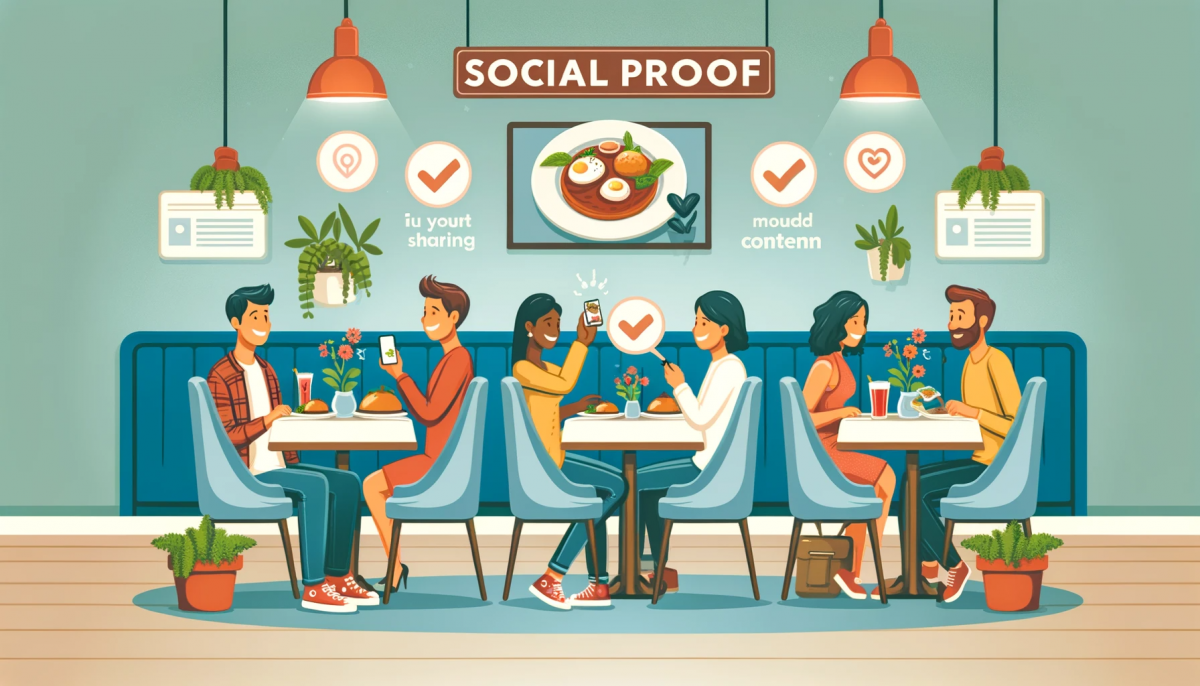
In today’s digital landscape, social proof is vital for restaurant success. While traditional reviews and social media tactics remain important, creative approaches can set your brand apart. Here are innovative strategies to build your restaurant’s social proof and leave a lasting impression.

1. Embracing Storytelling in Marketing

People connect deeply with stories. Share your restaurant’s journey, the inspiration behind your dishes, and the people behind the scenes:

  • Highlight the origins of your ingredients or the cultural inspiration behind your menu.
  • Create video content or blog posts that showcase your team’s passion and dedication.
  • Encourage customers to share their personal experiences and memories of dining at your restaurant.

2. Collaborating with Local Influencers

Partner with food bloggers and influencers to expand your reach:

  • Host exclusive tasting events for influencers to generate buzz.
  • Ensure the influencer’s audience aligns with your target demographic for maximum impact.
  • Encourage influencers to create authentic content that showcases your restaurant’s unique qualities.

3. Hosting Community Events

Engage with your local community by organizing events such as:

  • Cooking classes to share your expertise and interact with customers.
  • Charity dinners that demonstrate your commitment to social causes.
  • Local food festivals to showcase your restaurant’s offerings.

These initiatives foster goodwill and generate organic, positive conversations around your brand.

4. Innovative Use of Technology

Enhance customer experience with cutting-edge technology:

  • Introduce augmented reality (AR) menus that provide an interactive experience.
  • Use digital table displays to showcase your specials or behind-the-scenes videos.
  • Leverage customer experience apps to gather and implement real-time feedback.

5. Showcasing Behind-the-Scenes

Transparency builds trust. Offer a glimpse into your daily operations by:

  • Sharing videos of your kitchen team preparing dishes.
  • Posting “day in the life” content of your staff on social media.
  • Highlighting the care that goes into creating each dish.

6. Integrating Customer Feedback into Operations

Show your customers that their opinions matter:

  • Regularly collect feedback through surveys and review platforms.
  • Implement customer suggestions and highlight these improvements in your marketing.
  • Thank customers publicly for their input, reinforcing their value to your business.

7. Sustainable Practices as a Marketing Tool

Position your restaurant as environmentally responsible by:

  • Using locally sourced, sustainable ingredients.
  • Adopting eco-friendly packaging and waste management practices.
  • Highlighting your commitment to sustainability in your marketing materials.

Appealing to environmentally conscious diners builds loyalty and enhances your brand image.

Conclusion

In the competitive world of restaurant marketing, traditional methods of building social proof are no longer enough. By embracing storytelling, community involvement, technology, transparency, customer feedback, and sustainability, you can create a compelling and unique brand image that resonates with today’s customers. Start implementing these strategies today to stand out and thrive!


© 2023 Cameo. All rights reserved.


Avoid Restaurant Expenses: Smart Tips

Unexpected costs can throw a wrench into even the most carefully planned restaurant budget. While it’s impossible to eliminate surprise expenses entirely, smart strategies can significantly minimize them. Let’s break down what causes these expenses and how to proactively manage them.

Understanding the Root Causes

  • Lack of Tracking: Unforeseen expenses often stem from not diligently tracking recurring costs or maintenance schedules.
  • Equipment Neglect: Assuming appliances will run forever without care is a recipe for costly repairs or replacements.
  • Waste and Inefficiency: Running out of supplies prematurely or having excessive energy usage hikes up costs.

Solutions for Avoiding Financial Surprises

  1. Hire an Operations Manager: This individual will meticulously track expenses, identify patterns, and anticipate potential issues. Think of them as your financial watchdog!
  2. Preventive Maintenance is Key: Establish a rigorous maintenance schedule for all equipment. Use a CMMS (Computerized Maintenance Management System) to stay organized and lengthen the lifespan of your appliances.
  3. Foster a Culture of Conservation: Train staff on resource conservation, minimizing waste, and using equipment responsibly. Little changes make a big impact.
  4. Strong Supplier Relationships: Build partnerships with your vendors. They might offer volume discounts, alert you to upcoming sales, and work with you to streamline your supply needs.

The Bottom Line: Smart Planning is Essential

The key to avoiding most unexpected restaurant expenses is proactive planning and attention to detail. By implementing these strategies, you’ll:

  • Improve operational efficiency
  • Extend the life of your equipment
  • Control supply costs
  • Increase your restaurant’s profitability

Remember – those who plan ahead minimize financial stress and maximize their chances of success!

4 Commonly Overlooked Expenses Restaurant Owners Should Never Forget


4 Commonly Overlooked Expenses Restaurant Owners Should Never Forget

Plan smarter by understanding these critical expenses to keep your restaurant thriving.


Introduction

Many restaurateurs fail to properly plan for unexpected costs, which can jeopardize the success of their business. While it’s crucial to plan for contingencies, don’t let fear of expenses stop you from pursuing your dream of owning a restaurant.

Running a restaurant requires hard work, dedication, and realistic budgeting. Let’s explore four commonly overlooked expenses and tips to manage them effectively.

1. Technology

While technology is essential for survival and growth, it’s also an area where unnecessary spending often occurs. Ask yourself:

  • Do you need the latest high-tech equipment, or can you manage with older, less expensive models?
  • Are there areas where you can cut back without compromising functionality?

By evaluating your actual needs, you can save money while still maintaining efficiency and quality.

2. Marketing

In the past, restaurants relied on expensive marketing firms. Today, the internet offers cost-effective alternatives:

  • Use social media platforms like Facebook, Instagram, and Twitter to promote your business.
  • If time is a constraint, consider hiring a freelancer to manage your social media accounts. Freelancers are often more affordable than firms.

With the right strategy, you can create impactful marketing campaigns without overspending.

3. Music

Background music enhances the dining experience but comes with a cost. As a commercial entity, you’re required to pay licensing fees for the music you play.

  • Research licensing requirements to avoid unexpected fines.
  • Factor music fees into your budget, as they’re often overlooked but necessary expenses.

4. Utilities

While utilities are a known expense, their actual costs can surprise new restaurant owners. Consider the following:

  • Investigate the utility history of your location. Ensure there are no outstanding bills from previous tenants, as you may be held responsible.
  • Review utility contracts carefully to avoid hidden costs or unfavorable terms.

Being proactive about utilities can save you from unexpected financial burdens.

Conclusion

Overlooking key expenses can hinder your restaurant’s success. By carefully managing technology, marketing, music licensing, and utilities, you’ll be better equipped to navigate the challenges of restaurant ownership. Plan wisely, stay diligent, and keep pursuing your dream!


© 2019 Cameo. All rights reserved.


Attract New Customers: Exciting Restaurant Event Ideas

Sure, your regular dishes are fantastic, but why not make your restaurant a destination for unique, memorable experiences? Special events and promotions are fantastic ways to draw in new crowds and keep regulars excited to come back.

Here’s a whole host of event ideas that are sure to boost buzz and fill those tables:

Themed Experiences

  • Decade Nights: Tap into nostalgia with themed nights for the ’80s, ’90s, or any fun-loving era. Encourage costumes, play era-appropriate music, and feature foods that were all the rage “back then”.
  • Love Is In The Air: Don’t limit romance to Valentine’s Day. Designate a special night each month for couples with candlelight, romantic music, and special menus for two.
  • Sports Arena: Get in the game! Host viewing parties for big sporting events, and support local teams with team-inspired food and drinks.
  • Celebrity Encounters: Partner with a local celebrity for a guest bartender or meet-and-greet night. Decorate and create menu items to reflect their work!

Community-Focused Occasions

  • Charity Events: Partner with a local cause and create food and drink specials related to the charity. A percentage of proceeds or even a simple donation drive gets the community involved.
  • Singles’ Night: Help people mingle with a singles’ night event. Offer fun icebreakers, speed dating, or just a welcoming atmosphere for new connections.
  • VIP Only: Reward loyal customers with an exclusive club. Offer discounts and monthly special events just for VIPs to show your appreciation.

Deals and Promotions

  • Deal of the Day: Highlight seasonal ingredients with special dishes that change monthly or with the availability of fresh items.
  • Happy Hour: It’s a classic for a reason. Offer after-work specials on drinks and appetizers to draw in a relaxed crowd.
  • Buy One, Get One: Entice customers on slow nights with BOGO deals on appetizers, desserts, or select entrees.
  • Ladies’ Night / Men’s Night: Offer special promotions for groups of women or men. This could be drink deals or freebies to make their night out extra special.

Entertainment Extravaganza

  • Live Music: Book local bands and musicians to perform during dinner service. It sets a lively ambiance and supports your local arts scene.
  • Theme Nights: Go beyond decades with costume nights – think Mardi Gras, Hawaiian Luau, or your own original themes!
  • Karaoke: Add a competitive twist! Hold a regular karaoke contest where the winner gets a free meal or other prize.
  • Comedy Night: Laughter brings people together. Feature a local comedian for a fun twist on dinner service.
  • Open Mic Night: Create space for up-and-coming talent, whether it’s musicians, poets, or comedians. This brings in both performers and an audience eager to support them.

Something Extra Special

  • Wine Tastings: Feature unique wines or offer flights at a special price to attract wine enthusiasts.
  • Guest Chef/Bartender Nights: Bring in guest chefs or bartenders to add new dishes and drinks to the menu for a limited time.
  • Cooking Classes: Give guests an insider’s look with hands-on cooking classes where they can recreate your best dishes at home.

Get the Word Out!

Don’t forget to promote your events heavily on social media, your website, and through local channels. Eye-catching graphics and exciting descriptions will bring those crowds in.

Ready to try something new? Pick a few of these ideas and put your unique spin on them. With a little creativity and enthusiasm, you’ll transform your restaurant into the hottest spot in town!

Online Ordering Is The Wave Of The Future For Businesses and Restaurants

It was 2016 when restaurants embraced the idea of online ordering. In fact, restaurants who offer online ordering are succeeding six percent better than those who don’t offer the service. Six percent may not sound like a lot but think of it in terms of dollars – $2 billion.


$2 billion in sales you could be losing out on if you’re not using online ordering for your business.

No doubt the restaurants using online ordering POS programs like ChowNow and GrubHub are seeing a better bottom line. Restaurants with an integrated online ordering software with their POS systems are benefitting from the service. Your customers really benefit because no longer as they put on hold to order food. They can just go to the online site, order what they want and pay for it.

Of course, the real question is how do you stand out amongst the crowd. Implementing an online ordering service can be tricky and costly, and you still need to engage with your customers to ensure they keep coming back to your service.  How do you do this and stay committed to your restaurant’s values and goal?

3 Ways To Boost Online Order Sales

Develop Some Online Ordering Marketing Strategies

Restaurants that offer online ordering see a rise in their revenue. According to GrubHub, there is a 30 percent increase in online ordering revenue for users. However, if you offer it and your customers don’t know about it, then they’re not going to use it. You’ll need to implement some strategies to spread the word about your online ordering service. How do you do this?

  • Use In-Store Messaging – This means using chalkboard signs, menu inserts, window displays, etc. Anything that will get the word out to your customers that you now offer online ordering for their convenience.
  • Use Receipt Space – Each time a customer pays for something, the receipt can be used for advertising space. Use it to add in a line that you offer online ordering. Why not even add in a coupon to it?
  • Offer Discounts For Online Ordering – If your customers use your online ordering service, consider giving them a discount on their order to entice them to continue using the service.

Carry Out A Social Media Marketing Campaign

Your orders may not be able to order by Tweet as of yet, but social media marketing is the new word of mouth marketing that can do your business real wonders or harm. So, make sure to use social media to spread the word about your online ordering service.

  • Facebook offers its Order Food option, making it easier for customers to order their food online.
  • Share online ordering promotions on your social media page.
  • Take and share pictures of your company, its staff and the food. If you have an online ordering menu that’s different from the in-store one, be sure to take a picture of it and post it for consumers to see.

Change The Way Your Phone Works

The idea is to get people acquainted with your online ordering service, why not change how your phone works.

  • When a customer calls your message, you can record a message that promotes the online ordering service. It’s the same principle idea of calling your doctor’s office and getting the message of the location’s hours and address.
  • Each takeout menu can include your phone number, but why not add your website to it along with it. This will help spur them to use the Internet to order their food rather than take phone calls.

Should You Use An Online Ordering Software For Your Restaurant?

According to statistics, 34 percent of people pay up to $50 when they order their food online. Compare that to just $15 to $30 in a full-service restaurant. It’s a no-brainer! Online ordering will net you more profit for your restaurant’s bottom line.

7 Trends Every Business Should Know in 2017


7 Restaurant Trends Every Business Should Know in 2017

At the latest count, the restaurant industry gathers over $600 million in revenue every twelve months. In addition to this, it’s still growing despite the rumors that people prefer to stay at home or try other things. With this in mind, now is a great time to enter the restaurant industry and it looks as though it will stay this way for many years to come.

Despite this, there will always be competition which means you need to stay ahead of the game at all times. By reading this guide, you’ve taken the first step and we applaud your will to get to the top of your industry in your area. Today, we’ve got seven trends that will get you where you need to be in the years ahead.

1. Expanding Palate

For a long time, the aim of restaurants was to offer as much as possible and appeal to the needs of everyone, and this actually worked. Sadly, these days are coming to an end and the customer is looking for new experiences. Even with classic dishes, such as the cheeseburger and fries, these are being replaced by foods from other cultures and healthier alternatives. Nowadays, the customer is looking to experiment and try something new.

Rather than adhering to the needs of the masses this year, we recommend choosing a niche and honing in on it for the next few months. Although you’ll appeal to a smaller audience, this audience is more likely to enjoy their experience and return in the near future.

2. Social Media

In recent years, we’ve seen the rise of social media, and it has allowed smaller businesses to appeal to a much larger crowd through the use of imagery. As an example, Shake Shack is one of the best because they have just 63 locations around the US. Compared to McDonald’s and their 36,000 locations, this is practically nothing, yet Shake Shack is 100 times more successful, according to Goldman Sachs, on Instagram.

Elsewhere on Instagram, there are profiles with hundreds of millions of followers just by posting beautifully-composed photos of dishes. With Shake Shack themselves, they earned a name for good-looking food which suggests a new trend in the market. Not only do we want our food to taste great, we want it to look great too, so this should be one of your focuses in 2017. Even if it means investing in higher-quality ingredients and foods that can be used to decorate the plate, this investment could just be what you need.

On your menus and other material the customer receives, make sure you encourage all guests to take pictures of their food and share it online. As their friends’ taste buds get going, they see the location of their friend and make a note to visit in the future. As well as taking pictures, get your visitors to follow your page and remember to post regular updates yourself. Whether you’re trying a new presentation for a dish or introducing a new dish, we make decisions with our eyes on social media platforms, so get your delicious food online.

3. Food Trucks

Although this one might sound strange, the mobile food industry is currently booming, and it has been for a number of years. Though, we’re talking about high-quality, healthy options rather than a greasy burger and chip van. As mentioned previously, people are looking to expand their palate, and mobile locations could be the way to provide them with more options.

With over $1.2 billion in revenue in 2016, this industry has grown nearly 13% within the past five years, so why not add a food truck that’s always on-the-go? In addition to providing the locals with an opportunity to enjoy your food now, you give them a taster of what you have to offer if they want to visit your restaurant later.

Before going ahead with this one, we advise performing some market research because not all cities are seeing this boost in the mobile food industry.

4. No Reservations

For those who have been in the industry for a number of decades, you might be a little hesitant to even continue reading this trend because reservations have been a staple for many years for restaurants. However, the no-show rate has been steadily increasing in recent years, and this means restaurants are closing off sections of their establishment for people who don’t even show, and this is inefficient.

As a result, many are changing to a first come, first served policy to fill up the tables and keep business booming. When people walk past and see the tables full, they immediately feel the need to visit in the future because this is social proof working first-hand. When customers walk in and there are no tables free, they’ll at least stay for a drink even if they don’t end up waiting for a table, and this is revenue you wouldn’t have had if you’d have rejected their phone call due to being ‘fully-booked’.

5. Interior Design

Next up, we refer you back to Instagram once again because more people are taking photos on their phones than ever before. In fact, the prediction for 2017 was 1.2 trillion pictures worldwide over the course of 12 months. For two reasons, you should improve the interior design in your restaurant and make sure everything looks fresh;

  • You want to create an atmosphere where people want to take photos.
  • You want people viewing the photos to wonder where the picture is taken because it looks so amazing.

6. Rewards

As we all know, repeat business is the key to success as a restauranteur, so more establishments are now offering special loyalty schemes for regular customers. According to a recent report, regular customers also spend an average of 67% more per visit, so allowing them to earn a free dish or a free glass of wine every now and then is the least you can do to keep hold of their custom. Luckily, technology is making loyalty programs easier, and some apps allow everything to be done digitally so you don’t need to worry about stamping cards or any other traditional methods of rewarding loyal customers.

7. Email List

Over the past few years, you might have heard a good amount regarding email lists, and this is for a good reason. By having an email list, you have a list of email addresses belonging to people who have shown some form of interest in your business. With email marketing offering a strong conversion rate, it shouldn’t be long before you see a return on your investment. According to a recent study, nearly two-thirds of us check emails daily, so a nice little email (or even a regular newsletter) could attract people to your restaurant.

If you manage to build a list of 1,000 email addresses, you need just 2% to take action after an email, and you have 20 extra tables visiting this evening. The more emails you have, the easier it’ll be to fill your restaurant each night.

Conclusion

In the year ahead as we move into 2018, why not utilize these key metrics and marketing trends? Sure, delicious food is important, but customers are looking for an experience these days, whether that comes from Instagram, loyalty programs, interior design, or even the chance to taste the food of a brand from a food truck. Once you include one or more of these tips into your marketing strategy, there’s no reason why you can’t push a little closer to success.